Roach proof your home. This step keeps your space clean and your body safe. Roaches bring germs and can trigger asthma. With simple steps and steady care, you slow their spread and keep them away.
This guide gives you easy roach proofing tips. Seal holes. Use safe treatments.
Why Roach Proofing Matters
Roaches live hard. They can:
• Eat tiny crumbs and use a drop of water
• Hide in small cracks
• Multiply fast
Roaches bring germs like Salmonella and E. coli. Their droppings may bother someone with weak airways. Roach proofing helps your home stay clean and your family safe.
Step 1: Find Roach Entry Points
Roach proofing starts with knowing how they get in. Roaches come through:
• Gaps under doors
• Cracks by windows
• Holes around pipes
• Vents and even grocery bags
Do a Quick Entry–Point Check
Walk around and look. See light through door gaps. Find cracks on baseboards, windowsills, and edges. Spot open spaces by pipes and sinks. Note loose weatherstripping or door sweeps. Write down these spots. You will fill them next.
Step 2: Seal Cracks and Crevices
Block their entry. Roaches squeeze through a crack as narrow as a card.
What to Use for Sealing
• Silicone or latex caulk for small gaps
• Expandable foam for bigger holes
• Door sweeps for under doors
• Weatherstripping on doors and windows
• Mesh screens for vents and drains
Key Spots to Fill
Look under sinks and by plumbing. See around dishwashers, washers, fridges. Find gaps along basement walls and floors. Close spaces by cables or wires.
By blocking these spots, you cut off roaches from your space.
Step 3: Eliminate Food Sources
Your plan will not work if food stays. Roaches eat crumbs, grease, cardboard, and even soap.
Kitchen Must-Dos
• Wipe away crumbs with care. Clean under appliances and near the stove.
• Store food in sealed jars. This stops pet food, snacks, and more from attracting roaches.
• Empty trash often. Use bins with tight lids.
• Do not let dirty dishes pile up. Wash or rinse them soon.
• Wipe kitchen surfaces every day with a simple cleaner.
Other Food Spots
Roaches find food in many places. They see crumbs on couches or tables. They find wrappers in bedrooms or offices. They might eat pet food left out at night. Keep these areas clean.
Step 4: Control Moisture
Roaches can live without food for weeks but need water soon. Keep water away.
Dry Up Water Spots
• Fix leaky faucets, pipes, and drains. A drip is water for them.
• Dry sinks, tubs, and showers at night.
• If you can, remove pet water bowls when not in use.
• Use a dehumidifier in damp rooms.
• Check pipes for wet spots or condensation.
Cut water off for roaches to leave.
Step 5: Remove Clutter
Roach proofing also stops them from finding a place to hide. Roaches love clutter.
Key Clutter Spots
• Cardboard boxes: They like the glue and paper. Use plastic bins instead.
• Piles of papers and old bags: Dispose of these often.
• Closets and storage rooms: Keep items in sealed boxes.
• Garages and basements: Keep items from the floor and walls.
Less clutter gives roaches fewer spots to hide.
Step 6: Use Baits and Traps
After a clean home, use traps for extra care. Traps help catch roaches in small spaces.
Gel Baits
Gel baits work very well. Roaches pick them up at these spots:
• Under and behind appliances
• In cabinet corners, especially near sinks
• Along baseboards with signs of roaches
• By trash cans and dark spots
Do not clean where you put the bait. It stops the bait from working.
Bait Stations and Sticky Traps
• Bait stations are safe for children and work well in kitchens and baths.
• Sticky traps catch roaches that roam. They work best along walls and near entry points.
Use these tools to catch roaches and check if your work is good.
Step 7: Try Natural, Low-Toxicity Options
For a more natural plan or to add to your methods, use gentle options.
Natural Tools You Can Try
• Boric acid: Dust it lightly in cracks. Keep it away from young ones and pets.
• Diatomaceous earth (food-grade): A fine powder that damages roaches. Dust thin layers in dry spots only.
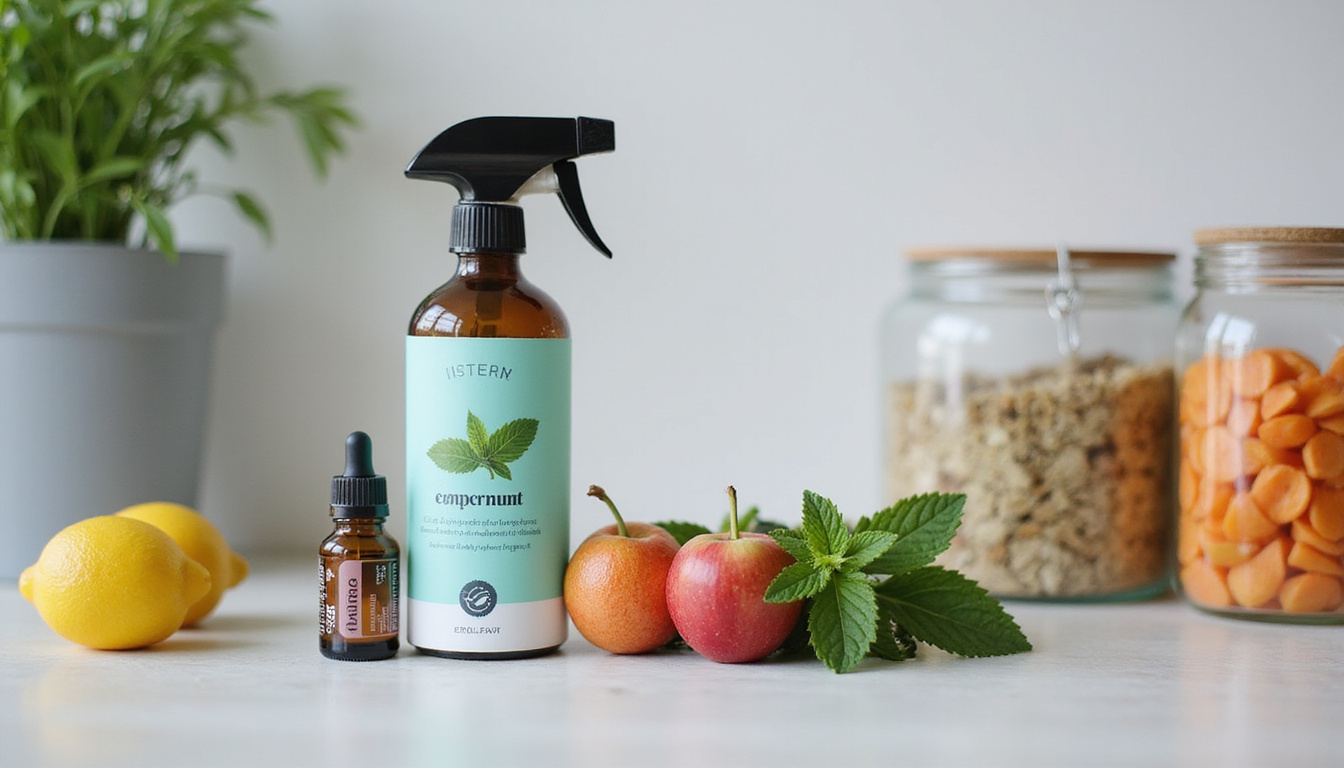
• Essential oils (like peppermint or eucalyptus): Mix with water and spray on entry points. They help, but do not work alone.
Natural steps work best when you clean, seal, and use baits.
Step 8: Outdoor Roach Proofing
Your plan must work outside, too. Many roaches live outdoors until they get in.
Tidy the Outside
• Trim plants and shrubs away from house walls.
• Rake leaves and clear wood or debris piles near the house.
• Keep trash cans closed and a short walk away from doors.
• Fix leaky outdoor faucets.
• Seal spots around doors, windows, and the home base from the outside.
You may use outdoor baits if roaches are many in your area.
Step 9: Build a Simple Routine
Roach proofing is a habit, not just a one-time fix. Once you start, care is easy.
Weekly Checklist
- Wipe down kitchen counters, stove, and cabinets.
- Sweep or vacuum floors.
- Empty indoor trash and clean bins if needed.
- Check under sinks for leaks.
- Look over bait spots and add more if needed.
- Recycle papers, cardboard, and packaging.
- Check doors and windows for new gaps.
Keep this routine to stop roaches all year.
When to Call a Professional
Sometimes roaches spread too wide to fix alone. Call one who works in pest control if:
• You spot roaches in the day, which shows a large group.
• You find many young roaches or egg cases.
• Home steps help but do not clear roaches.
• You live in a building where roaches come back.
A professional can use stronger treatments and see hidden issues.
Frequently Asked Questions
1. How do I roach-proof my house naturally?
Keep your home clean first. Store food in sealed jars, fix leaks, and cut clutter. Then, dust food-grade diatomaceous earth and boric acid in hard-to-reach spots. A spray made from water and peppermint or eucalyptus oil may help, but do not skip cleaning and sealing.
2. What is the best way to make my kitchen cockroach-proof?
Make your kitchen hard for roaches by keeping it clean. Wipe counters and the stove each day. Sweep or vacuum floors often. Store food in sealed jars. Empty the trash and seal gaps. Place gel baits in hidden spots. This routine makes the kitchen safe.
3. How can I roach-proof an apartment where neighbors have roaches?
Apartments need extra care. Seal gaps around pipes, outlets, and baseboards. Use door sweeps and weatherstripping. Place baits along walls and by sinks. Keep your unit clean and dry. Alert your building manager if roaches keep coming back.
Roach proofing works step by step. Halt roach entry, remove food and water, cut off shelter, and use well-placed traps. With a bit of work at first and a simple weekly plan, you keep roaches out and live in a clean home.