Roach Bait Toxicity: Symptoms, Pet Risks, and Emergency Steps
Roach baits help stop roaches in many homes. They work well but can be a risk. Kids and pets may eat or touch them by mistake. Most baits are made so that they are safe for people. Still, dogs, cats, and young children can come to harm.
This guide shows how roach baits work. It shows risks to people and pets. It shows signs of poisoning. It shows what to do in an emergency.
How Roach Baits Work (and Why Toxicity Is Usually Low)
Roach baits come as small plastic boxes or gels. They mix three parts:
- A slow poison that stops the bug
- Food that makes roaches eat the bait
- Other parts that hold the mix together
Poisons in these baits are often:
- Hydramethylnon
- Fipronil
- Indoxacarb
- Boric acid
- Avermectins (for example, abamectin)
The poison is very small in the mix. Roaches eat the bait and then share it with other roaches. The dose is low for people. Yet, kids and pets may chew the bait station or eat much of the gel.
Roach Bait Toxicity in Humans: What You Need to Know
Is roach bait poisonous to humans?
When used as told, most roach baits have a low level of poison for people. The U.S. EPA checks these products to cut risk. Still, if a young child or adult eats too much, signs can appear:
- A short upset stomach
- Small irritation
- Rare but strong reactions with high amounts
Common symptoms of human exposure
If a person touches or eats a little bait, they might feel:
- Nausea or a weak tummy
- Vomiting
- Diarrhea
- A sore throat or bad taste
- Small skin red spots (if the gel meets the skin)
- Mild eye sting (if the gel gets in the eyes)
If much bait is eaten, a person may have:
- Dizziness or headache
- Strong drooling
- Hard breathing
- Confusion or sleepiness
- Seizures (very rare and with a lot eaten)
If a child chews a bait box, there may be no sign or a small upset tummy. In such cases, you must speak with Poison Control for help.
Roach Bait Toxicity in Pets: Why Dogs and Cats Are at Higher Risk
Pets, and dogs in particular, can be more at risk from roach bait. They:
- Weigh less so the dose is larger per body weight
- Might chew or swallow the full bait box
- May get to bait that hides behind items
Cats are more careful but might still get gel bait from low places.
How toxic is roach bait to dogs and cats?
Most baits hold very little poison (around 1–2% of the product). The rest is food and other parts. This is why many dogs treat bait like a snack.
Risk depends on three things:
- What poison is used
- How much is eaten
- The pet’s size and health
Many dogs that eat one bait box show little or no signs. But if a pet eats more than one or a large amount of gel, the risk can grow.
Symptoms of Roach Bait Poisoning in Pets
If a dog or cat eats roach bait, watch for these signs:
Early or mild signs
- Drooling or foam on the mouth
- Pawing at the mouth due to a bad taste
- Vomiting
- Diarrhea
- A slight drop in hunger
- A bit of sleepiness
More serious signs
- Repeated vomiting or diarrhea
- Shaking or trembling
- Lack of balance or weakness
- Seizures
- Collapsing or passing out
- A change in breathing pace
Symptoms may show within a few hours. Some poisons may act slowly. If you see shaking, seizures, or confusion, treat this as an emergency.
What to Do Immediately After Exposure: Emergency Steps
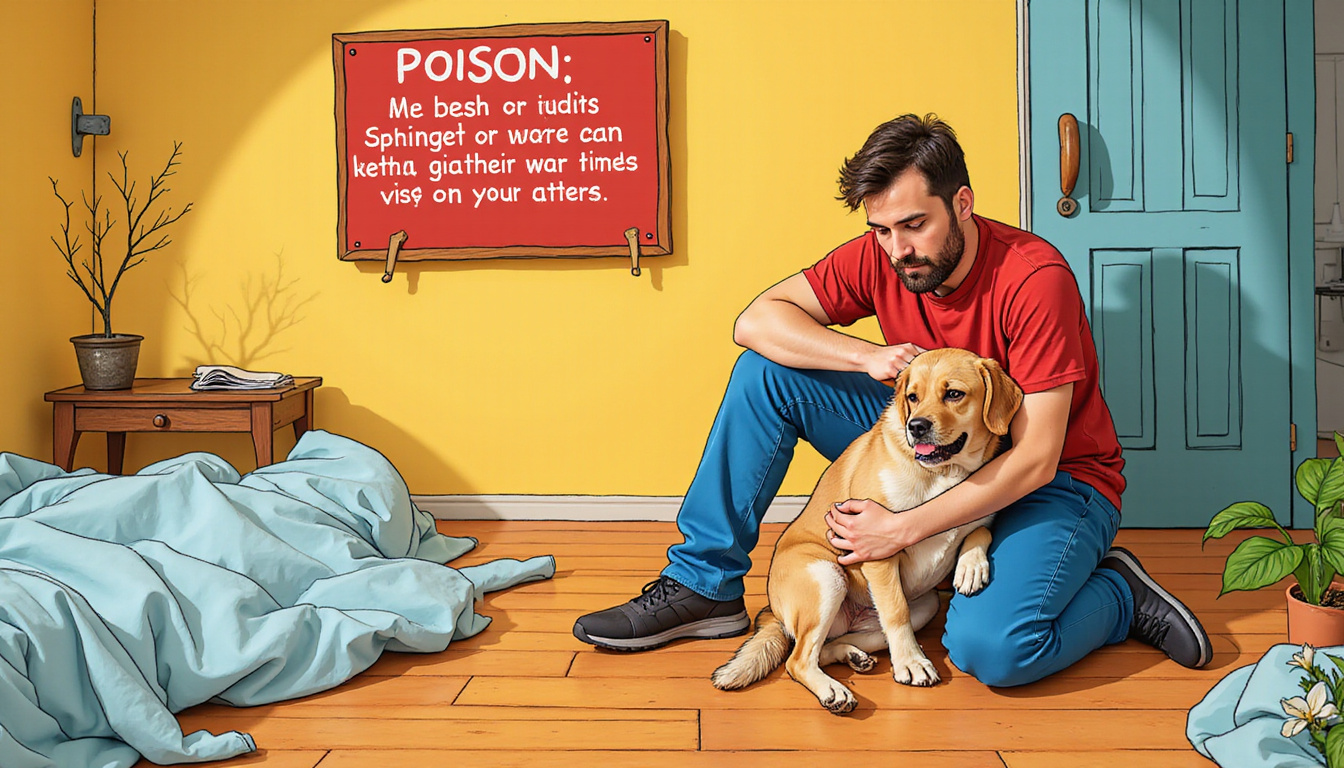
If you think someone or a pet has been harmed by roach bait, act fast and keep calm.
For humans (adults and children)
- Remove the bait from the mouth. Rinse the mouth with water.
- Check the bait box for the product name and the poison used. Write down how much might have been eaten.
- Call Poison Control. In the U.S., the number is 1-800-222-1222. Follow the advice given.
- Do not make the person vomit unless told to.
- If the bait touches skin or eyes, do this:
- Skin: Wash with soap and water for 15 minutes.
- Eyes: Rinse with water for 15 minutes, holding the lids apart.
- Visit the ER if the person has trouble breathing, has seizures, seems very confused, vomits a lot, or is very sleepy.
For pets (dogs and cats)
- Secure your pet. Remove any bait boxes or gel from the area. Keep others away.
- Try to see how much was eaten. Count missing or chewed bait boxes. Look where gel was put. Take a photo or keep the box.
- Call your vet or an animal poison helpline.
- Follow the vet’s advice. Do not make your pet vomit unless told to do so. Do not give milk, oil, or other home fixes unless the vet tells you.
- Bring the bait box or a photo of it to the vet. This helps the vet know the risk and the needed treatment.
- Get emergency help if your pet shows shaking, seizures, troubles to walk, breathing issues, or collapses. If many boxes or a lot of gel is eaten, act fast.
Diagnosing and Treating Roach Bait Toxicity
In humans
Doctors may do these steps:
- Ask which product was used, how much, and when
- Check vital signs and do a quick exam
- Treat signs with medicine for nausea, IV fluids, oxygen, or medicine for seizures
Most mild cases are watched and given simple care. Most people get better.
In pets
The vet may:
- Make the pet vomit if the moment is right
- Give a medicine like activated charcoal to cut poison uptake
- IV fluids and meds for vomiting, seizures, or trembling
- Check blood if large amounts were eaten or if the poison may affect the organs
Most pets that eat a little bait get better with quick care.
Preventing Roach Bait Toxicity in Your Home
The best way to keep safe is to use bait in a smart way. Here are simple steps:
- Place bait in spots that kids and pets cannot reach
- Behind machines, in locked cabinets, under heavy furniture, or in wall gaps
- Do not place bait in open places
- Use bait boxes that close instead of loose bait
- Boxes are harder for kids and pets to open or eat
- Put small drops of gel in cracks and crevices, not in open areas
- Store bait properly
- Keep unused bait locked away like other home chemicals
- Check bait often
- Replace any broken or chewed boxes right away
- Clean up any spilled gel
- Keep your home clean
- Seal cracks, fix leaks, and keep food in tight containers
- Use traps and clean to help stop roaches early
When to Consider Alternatives to Roach Baits
If you have young children; pets that eat non-food things; or people with strong chemical sensitivity, think on other ways to stop roaches:
- Use sticky traps in high-up, safe spots
- Call a pest expert who can treat spots only where needed
- Use natural bug fixers (such as a careful use of boric acid or diatomaceous earth)
- Keep your home very clean
Roaches spread germs and can cause allergies or asthma. Getting rid of them is key, but a safe method is best for all.
Frequently Asked Questions About Roach Bait Toxicity
1. How dangerous is roach bait toxicity for pets if they only ate one bait?
For many products, one bait box is not very harmful to a healthy dog or cat. They may have a small upset tummy. The risk depends on the type of poison, the pet’s size, and the amount eaten. Always call your vet or an animal poison helpline. Have the product box with you.
2. What are the first signs of cockroach bait poisoning in dogs or cats?
The first signs are often related to the tummy and behavior. A pet may drool, vomit, or have diarrhea. It may seem a bit sleepy or paw at its mouth. If a pet shows shaking or unsteady steps, seek help fast.
3. Can roach bait harm humans by touching the skin or just by being near it?
Modern baits are made so that normal use is safe. A touch on the skin may cause a small red spot. Sitting in a room with bait boxes is not a risk. However, eating the bait, getting it in the eyes, or having the gel touch the skin for a long time can cause signs. Wash the skin well and call Poison Control if needed.
Using roach baits by following the label, keeping them out of reach, and acting fast if there is any sign of harm, helps stop roaches while keeping your family safe. If you are unsure, call a doctor, a vet, or a poison help line for advice.