If you want to guard fruit trees, roses, and veggie beds from pests and skip strong sprays, try a pheromone trap.
A trap lures male bugs with a strong scent made for one bug kind. It shows bug counts, stops mating, and tells you when to act.
Why choose a pheromone trap?
It gives an early sign of pest moves. It helps you use organic sprays on time. It cuts down on bug breeding.
Below, I show you how to choose, hang, and use these traps for fast bug catch with little work.
How pheromone traps work (in plain language)
A trap holds a man-made copy of a female bug’s scent.
Bugs that seek will follow the scent into the trap. They stick on a glue or fall into a cup.
Since each lure is for one bug kind, the trap will not catch good bugs when set right.
This method helps you mark and tame pest numbers.
Top garden pests caught or tracked with pheromone traps
• Codling moth (in apple and pear trees)
• Oriental fruit moth
• Corn earworm and other small moths
• Coddling moth
• Some beetles (with a set lure)
These traps work well for moths that have a set life span.
Choosing the right trap and lure
Not all traps match. Set three points right:
• Pest name: Get a lure that says the bug’s name. A non-specific lure may fail.
• Trap type: Delta traps (a small tent shape with glue) suit moths; bucket or funnel traps suit some beetles.
• Lure life: Some lures last 30 days, some 90 days. Check the tag and your season.
How to set up a pheromone trap (step-by-step)
- Pick and check the pest. A mistake here brings a wrong lure.
- Buy the right lure and trap for that pest and for your garden size.
- Hang traps at the right height—mid-tree for fruit trees or 1–2 feet up for low plants.
- Hang in a spot with good wind but not full sun all day.
- Switch glue and lure as the maker says.
- Mark counts each week to see trends and when to act.
Simple setup checklist:
• Check the pest name
• Get the right lure and trap
• Hang trap at the right height and spot
• View and count each week; change the lure per guide
Placement tips for fast bug catch
• Place traps near weak plants (apple trees for codling moths, tomato beds if a lure exists).
• Use trap spaces as the tag tells you—few traps in a big land give poor counts.
• Do not hang traps by bright lights or by walls that block wind.
• Use several traps to mark bug spots if you have a big garden.
Interpreting trap counts: when to act
Traps act as signs. For many pests, local help gives a count per trap each week that tells you to treat or use more steps. A jump in counts shows bugs are mating and eggs will soon drop. Use counts to time sprays, bio steps, or methods like fruit bagging.
Mix traps with pest control plans
A pheromone trap works best with other safe steps:
• Clean up: Pick off sick fruit and leave no bug hideouts.
• Grow smart: Prune for air, change crops, and pick strong plant types.
• Good bugs: Let in bug friends or use Bt on young bugs as traps mark their time.
• Use organic sprays only when trap counts rise high.
Best steps to boost trap work
• Change lures on time—a worn lure catches few male bugs.
• Keep glue clean and dry from rain and dust.
• Move trap spots a bit each season to keep bugs from ignoring them.
• Start early in the season for bug checks; catch bugs early to cut later harm.
Common mistakes and how to block them
• Using a false lure: This will waste time.
• Relying on traps alone: Traps do not wipe out bugs. They work in a wider plan.
• Hanging traps too low or high: Follow height guides for each bug type.
• Not marking counts: Use a small log or phone snaps to track each week.
Safety and nature notes
Pheromone traps are low-risk for folks, bees, and wild life.
They are a sound pick for organic gardens and those with bee blooms.
Follow tag steps when you throw out or change parts.
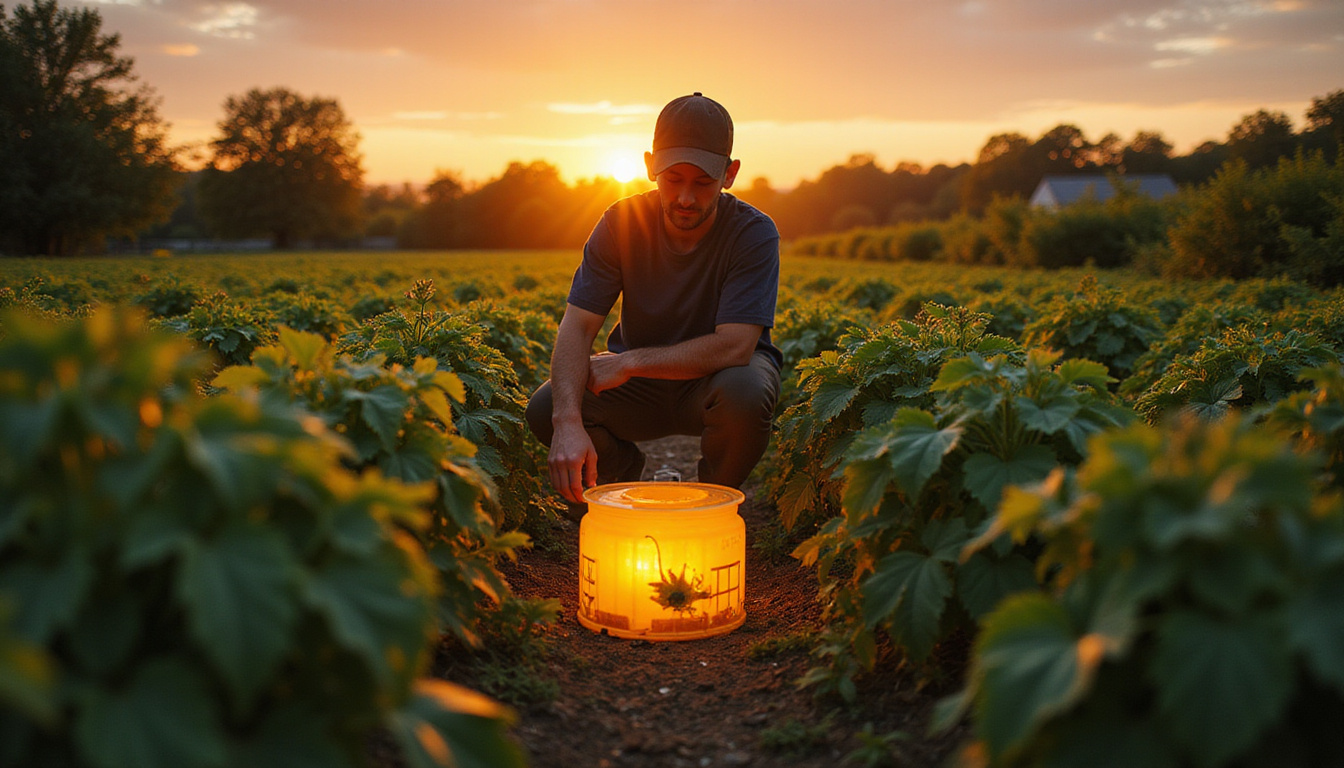
Real-world example: Using traps to time Bt on caterpillars
Gardeners use traps for moths that later make caterpillars.
By marking male moth trips, you can spot when eggs will hatch.
Then, you can use Bt on young bugs. This method cuts spray use and works well.
Where to buy and more tips
Buy lures and traps from trusted shops that show the bug name and lure life.
For local count marks and time, see your local help service—like the University of California IPM pages (https://ipm.ucanr.edu/).
Quick fix tips
• Few bugs in a trap: Check lure life, trap spot, and pest name.
• Many non-target bugs: The lure may be too wide or the trap is in the wrong spot. Move it.
• Glue gets wet with dust or rain: Pick a spot that blocks strong wind or change glue more.
Fast steps to catch garden pests with pheromone traps
• Pick the pest by name.
• Get a lure with that name and the right trap.
• Hang the trap at the set height and spot early in the season.
• Check, count, and mark each week.
• Change glues and lures on time.
• Use counts to time safe sprays, not as the sole fix.
FAQ (short Q&A with word changes)
Q: Do traps work for every garden pest?
A: No. Pheromone traps work best for moths and some beetles that use a sex scent. They do not draw in pests like slugs or wide-ranging beetles.
Q: How do I trap a codling moth?
A: Hang a lure with the name in a delta trap at mid-tree height in apple trees in early spring. Count each week and act per local count marks.
Q: Are traps safe for bees and pets?
A: Yes. Since lures work for one bug kind and traps are passive, they pose little risk to bees and pets when set right.
Final tips for quick wins
Start early in the season. Use traps as a bug warning sign. Check a lot, pick the right lure, and use counts to time safe fixes. Pheromone traps work with a mix of safe steps. Know your bugs, stick to tag guides, and mix trap checks with smart plant care and bug friends for the best fix.