Imidacloprid Exposure Risks: What Every Gardener Needs to Know
If you mix new bug sprays for your lawn or patch, you meet imidacloprid. You may not see the word, but it sits in many products for grass, flowers, trees, and pet treatments. It stops bugs but can touch people, pets, and bees.
This guide uses plain words. It gives short steps to cut your contact with imidacloprid while you tend your garden.
What Is Imidacloprid?
Imidacloprid is a man-made bug killer. It works inside a plant as the spray moves through leaves, stems, roots, and sometimes fruit. It stops many bugs that sip or chew on plants. You see it in liquid sprays, soil mixes, seed coats, lawn granules, and even in pet flea drops.
It binds fast to bug nerve parts. Bugs feel the effect much more than people do. The risk is low if used right, but too much use or wrong use may hurt others.
Imidacloprid Uses in Home Gardens
Gardeners see imidacloprid in many ways:
-
Lawn and turf products
Granules or sprays to stop turf bugs. One or two times a year. -
Trees and shrubs for looks
Soil drench or trunk shot for bugs on trees and bushes. -
Flower and garden beds
Sprays on roses, perennials, and potted plants. -
Edible crops
Some sprays work on veggies and fruits (check the label each time). -
Pet flea treatments
It sits in drops for dogs and cats.
One spray can work for weeks or months. That ease makes some worry about the spread to nature.
How Gardeners May Meet Imidacloprid
For most home gardeners, the risk is low or moderate. It depends on how you mix and spray. The paths include:
1. Skin Contact
• Mixing without gloves
• Touching wet plants or soil soon after spray
• Getting splashed during the mix
Your skin soaks up a little imidacloprid, but long contact can add up.
2. Breathing It In
• Breathing fine spray as you work
• Standing in spray mist
The chemical does not fly much, yet droplets or dust may reach your lungs if the air is still, as in a greenhouse.
3. Accidental Swallowing
• Eating or drinking during work
• Not cleaning your hands before eating
• Tools or counters that touch food
For veggie crops, following wait times on the label cuts the risk from food traces.
Imidacloprid Health Effects on Humans
Agencies say imidacloprid has low harm if you follow the label. But too much or frequent contact can hurt.
Short-Term Effects
A high dose from spills or mistakes may bring:
• Headache
• Dizziness
• Nausea or vomiting
• Tiredness or unsteady thoughts
• Eye or skin sting
Serious harm is rare. Most home contacts cause mild effects that fade after a wash and fresh air.
Effects of Long Exposure
Data now do not mark imidacloprid as a cancer risk. Studies check if slow, low doses affect nerves or hormones. Here are key words:
• Nerves: The spray hits nerve parts. Studies check if it harms growth, but clear proof is few.
• Growth and birth: Bug tests show risk only with very high doses. For home work, risk remains low if you stick with the label.
• Hormones: Mixed reports do not draw clear harm. Something to care about is to use it rarely.
For most home tasks, the risk is low. Extra care helps when you are pregnant, have young kids, or have breathing problems.
Nature and Bee Risks
The worry is high where bugs feed on nature and water bugs live.
Impact on Bees and Other Pollinators
Studies show neonicotinoids like imidacloprid affect bees in these ways:
• Confuse their flight
• Slow their food search
• Weaken their health
• Cut down their hive size
As it moves inside a plant, imidacloprid comes out in pollen, nectar, or tiny leaf drops. Even small amounts may stress bees that face other tough spots.
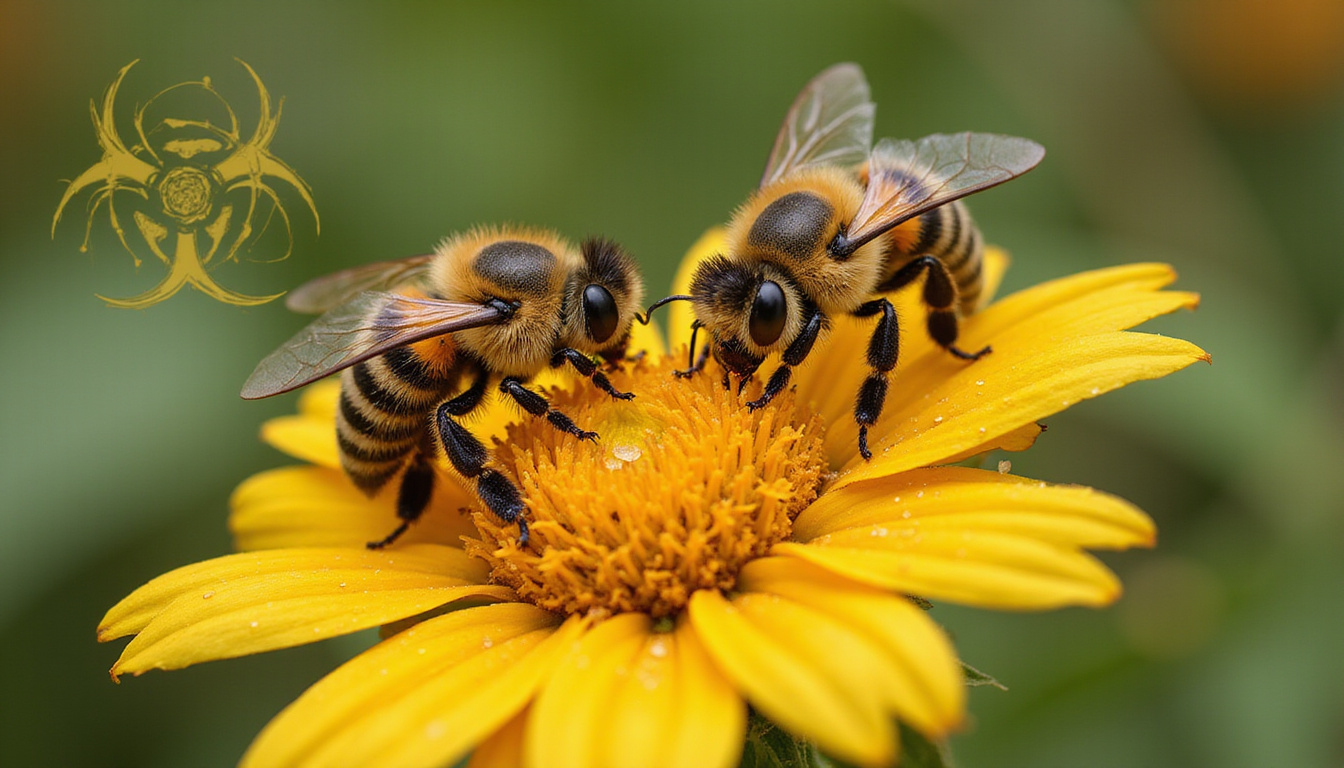
Some towns and regions do not allow the spray outside because of these bugs.
Impact on Water Bugs and Soil Creatures
Imidacloprid lasts long in the soil. A dose may sit for months or even a year. Even a small flow into a pond may harm water bugs. It may hit good soil bugs if the doses get high.
Gardeners must watch where the spray drifts, like near ponds or bee-friendly spots.
How to Cut Your Imidacloprid Contact
If you use imidacloprid, do these steps.
1. Read and Stick to the Label
• Use only on plants or for bugs you see.
• Know the dose; more is not a help and may be unsafe.
• Respect wait times on veggies.
• Stay out of areas until the spray dries.
2. Wear Safe Clothes
Wear:
• Gloves that do not let the spray in
• Long sleeves, full pants, and socks
• Shoes that cover your toes
• Eye guards if you mix hard sprays
When you spray mist in closed spots, a simple mask may help.
Wash your skin with soap and water after work. Wash work clothes on their own.
3. Mix and Use with Care
• Make only the mix you need now.
• Do not spray on a windy day or when it is very hot.
• Do not spray when rain comes, to cut off water runs.
• Keep kids and pets away till things dry.
4. Store and Toss Out Leftovers Right
• Keep the product in its own bottle.
• Hide it from kids, pets, and food.
• Follow local tips to toss out old product. Do not pour it into drains or soil.
Safer Garden Ways and Other Picks
You may cut back on imidacloprid by using a mix of nature rules.
Keep Plants Well
• Pick plants that fight bugs by themselves.
• Feed the soil with compost.
• Do not give excess fertilizer that can call bugs.
• Water well so plants stay strong.
Ways Without Sprays
• Hand-pick bugs or cut off sick branches.
• Use nets, sticky bands, or collars at the stem.
• Bring in good bugs by planting a mix of flowers.
Other Low-Risk Picks
If you need a spray:
• Use bug soaps on soft bugs like aphids.
• Use oils from plants but use them with care.
• Use a bug poison from a bug germ for some caterpillars.
These choices break down fast and work on bad bugs only. They still need care to save good bugs.
When to Skip Imidacloprid
Skip or cut back on imidacloprid if:
• You grow a bee garden with many bright blooms.
• You are near streams, ponds, or wet spots.
• You work with organic tips or seek a stamp of nature care.
• You grow many veggies and wish to keep sprays low.
• Kids play a lot in the spray spots or someone is very sensitive.
Sometimes small sprays or even living with some bugs may be a safe bet.
A Short List for Gardener Safety
Before you use imidacloprid, check these steps:
- Spot the bug right; be sure you need the spray.
- Read the bottle:
- Is your plant there?
- Is the bug there?
- Does it warn about bees?
- Try non-spray ways first.
- If you decide, get your safe clothes on and mix small.
- Spray with care; do not hit flowers or bee time.
- Wash up well and keep the mix safe.
FAQ: Imidacloprid in the Garden
-
Is imidacloprid safe for home gardens?
Yes. It works well when you mix as the bottle says, and you wear safe gear. Still, it can harm bees and water bugs, and too much may raise risks for people and pets. Many home gardeners use it only when bugs come in strong numbers. -
How long does imidacloprid last in plants and soil?
In the soil, it can live for many months up to a year. In a plant, it may be active for weeks to months. This long life helps stop bugs but may also touch good insects. -
Are there picks that are safe for veggie gardens?
Yes. For most garden bugs, bug soaps, plant oils, bacterial sprays, nets, and nature guards can work with strong plants. If you choose imidacloprid for crops, check the bottle, respect the wait time, and use it only when you truly need it.
By knowing how imidacloprid works and where your body or nature may meet it, you can choose safe ways that keep you, your garden, and the bugs that help it strong.