Glue traps catch rodents, insects, and pests. They raise humane and safety questions. This guide helps you weigh your choice. It shows safe use, kind traps, and home fixes.
Why glue traps are controversial
Glue traps hold pests on a sticky pad. Pests stay still until they die from stress, a lack of water, or other animals. Many animal groups say this is not kind. The Humane Society, for example, tells people not to use glue traps on wild animals.
Humane alternatives to glue traps
If you do not want to use glue traps, try these traps that catch or scare pests without long pain:
• Live-capture traps: Catch mice and rats, then let them go far away. Check local rules first.
• Enclosed snap traps: These traps kill fast and keep pets and kids safe.
• Electronic traps: Battery traps kill fast and let you throw away the dead pest without harm.
• Traps with bait stations: These traps keep kids and other animals safe while stopping rodents.
• Prevention and cleaning: Keep pests away by blocking holes and keeping spaces clean.
Safety tips if you use glue traps
If you must use glue traps for a brief time, use these safety tips to lower harm:
-
Place traps in safe spots
• Set traps in closed, low-use areas where you see pests, such as along walls, behind machines, or in upper spaces. Avoid doorways and open floors. -
Use shallow traps and check them daily
• Check traps once or twice each day. Quick removal of trapped animals lowers pain and stops smells and flies. -
Protect pets and children
• Put trap covers on traps or hide traps in cabinets or under machines. Use a different trap if your pets are curious. -
Wear gloves and avoid skin contact
• The glue is hard to wash off. Always wear gloves when handling traps and when using oil or removers. -
Know how to free a stuck animal safely
• If you find an animal that should not be caught, do not pull it off fast. Soak the glue with vegetable or mineral oil or a safe glue remover. Work slowly to free the animal. Ask a local animal helper if you need help. -
Dispose of traps responsibly
• Seal old traps in a plastic bag and put the bag in outside trash. Do not leave the trapped animal to face the weather.
How to humanely release a trapped animal
If an animal is caught and you want to help it live, follow these steps:
• Wear thick gloves.
• Pour oil around the glue to loosen it.
• Support the animal as you free its limbs and fur.
• Keep the animal warm and quiet after you free it.
• Call a wildlife helper or a vet if the animal is hurt or cannot move.
Pest-proofing solutions that reduce the need for glue traps
The best plan stops pests by keeping them out. Seal holes and remove food so your home is less appealing to pests. This way, glue traps are not needed.
Inspect and seal entry points
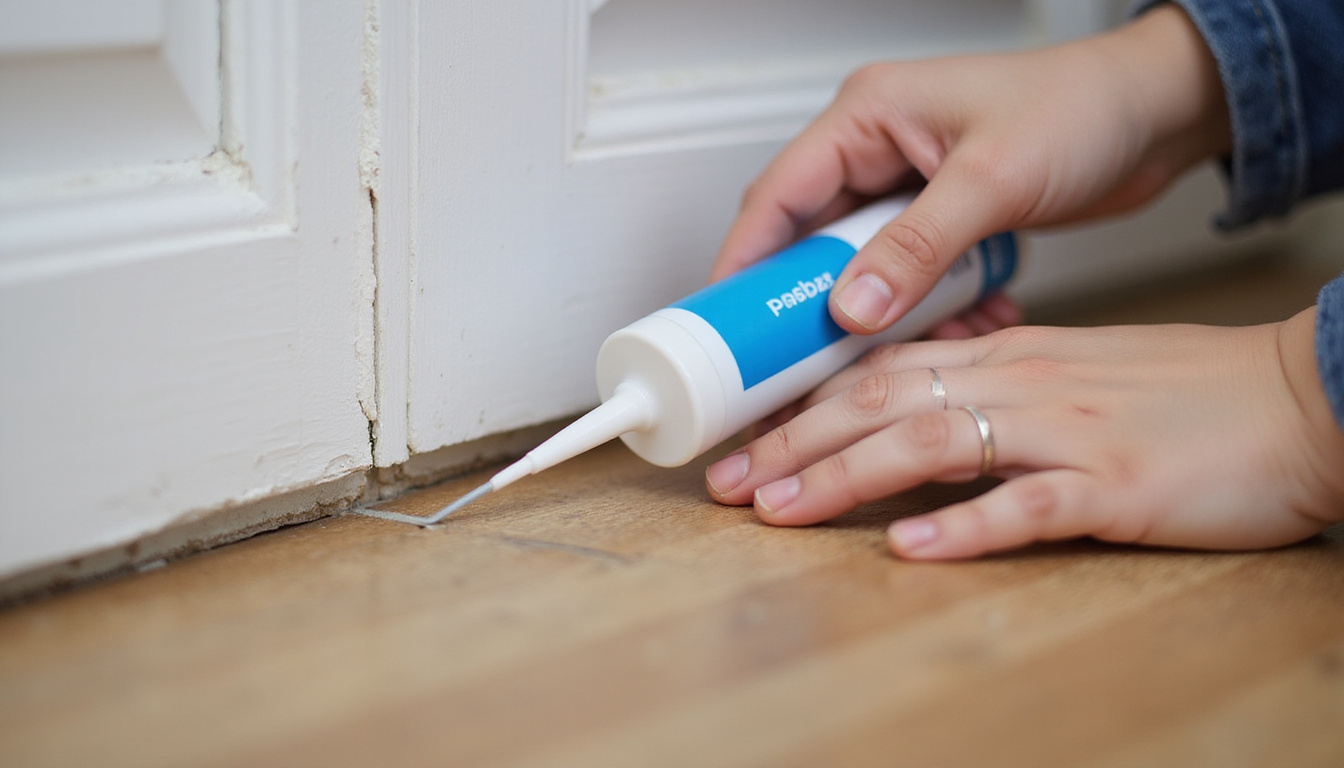
• Walk around your home. Look for gaps by doors, windows, and vents. Use caulk, steel wool, or fine mesh to seal holes. Mice can squeeze through very small gaps.
Maintain sanitation and remove food
• Store food in sealed containers. Wipe away crumbs and pet food fast. Empty compost bins and lock trash cans.
Reduce clutter and nesting sites
• Get rid of piles of cardboard, paper, or wood near your home. Keep plants trimmed away from your walls.
Control moisture
• Fix leaks and make sure water drains well. Many pests live in damp spots.
Use deterrents and monitoring
• Install door sweeps and weatherstripping. Try sound traps or natural smells to push pests away. Use traps that do not use glue to watch pest numbers before you act.
When to call a professional
For big pest problems or if pests carry disease, call a pest expert. They can check risks, use controlled treatments, and block holes to stop future problems. Experts also know kind ways to remove animals.
Quick checklist: humane pest control plan
- Check your home for holes and seal them.
- Keep your home clean and store food safely.
- Remove clutter and spots for pests to nest.
- Use live-capture or fast-kill traps instead of glue traps.
- Check traps often and dispose of them safely.
- Call an expert for big or hard pest problems.
Legal and ethical considerations
Some areas ban glue traps on wild animals. Check local rules before you act. Think hard about using traps that cause pain. Care for animals and safety for all should guide you.
FAQ
Q: Are glue traps kind for catching mice and rats?
A: Glue traps are seen as unkind because they may cause long pain. Many animal groups suggest fast-kill traps or traps that let you catch and release.
Q: What are safe choices for homes with pets?
A: In homes with pets, choose fast-kill traps, electronic traps, bait stations, or live-capture traps in spots pets cannot reach. Keep your home sealed and clean to stop pests.
Q: How do I dispose of a used glue trap with a dead pest?
A: Wear gloves, seal the trap in a heavy plastic bag, and put it in outside trash. If the wild pest has been caught, check local rules. Do not touch the animal directly.
Further reading and resources
For more on kind animal care and advice against glue traps, read the Humane Society guide. For tips on pest health, the Centers for Disease Control and Prevention give useful ideas.
Final thoughts
Glue traps may seem to be an easy fix. Yet they bring safety and humane issues. Choose home fixes, kind traps, and expert help when needed. With sealing, cleaning, and smart traps, you can solve pest problems without relying on glue traps.