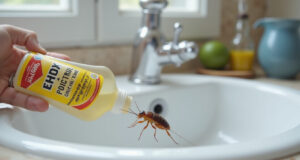
If roaches, ants, spiders, or bugs trouble you, use crack and crevice treatment. You aim at small gaps where pests hide, breed, and move. This close method cuts pest numbers and keeps your home, family, and pets safe.
Below is a simple, step-by-step guide to do crack and crevice treatment like an expert.
What is crack and crevice treatment?
Crack and crevice treatment means you put a few drops of insect spray or dust in small gaps. These gaps are where pests live. They include:
• Gaps where baseboards meet the floor
• Cracks near window and door frames
• Spaces behind cabinets and appliances
• Gaps in wall or floor joints
• Open seams where walls, ceilings, and floors meet
You do not spray large areas. You put tiny amounts of product in narrow places. This brings the product close to where pests walk and hide. It cuts down pest access and helps keep spots you touch safe.
Why do cracks and crevices matter in pest control?
Many pests like to hide in tight spots. Cracks and voids give them:
• A dark, safe nook
• Warm and damp air
• A path to food, water, and a place to rest
Roaches, ants, bed bugs, and silverfish hide most of their time in these spaces. That means:
• Spraying open floors and walls does not work well.
• Treating small gaps can break the pest life cycle.
Pest experts use crack and crevice treatment for this reason. You can do the same at home if you work with care and the right tools.
Step 1: Check and mark your problem spots
Begin with a close look around your home. Find gaps and signs of pests.
Look at:
• Kitchens and baths (food and water draw pests)
• Areas around stoves, fridges, dishwashers, and sinks
• Under or behind baseboards
• Spots where plumbing or wires pass
• Edges of basements, crawl spaces, and garages
Find clues:
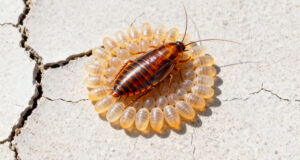
• Droppings, shed skins, or eggs
• Small brown or black stains in corners
• Fine sawdust-like bits (from termites or carpenter ants)
• Live bugs near edges at night
Use a light and a mirror. Mark the spots with the most pest signs. These spots need the treatment most.
Step 2: Pick the right products for small gaps
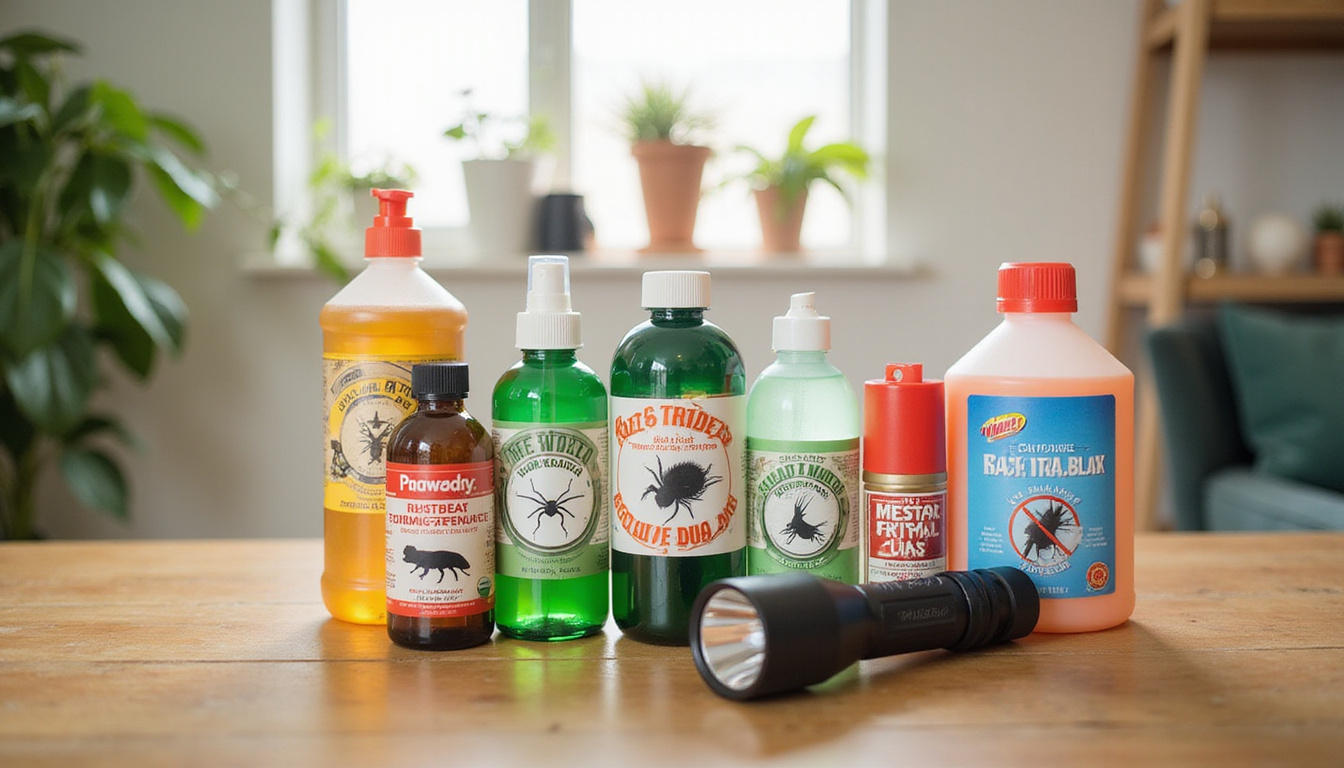
Not all pest sprays work in small gaps. Look for products meant for these spots. Always read and follow the label rules.
Three common types are:
-
Insect dust
• Good for deep, dry gaps
• Examples: boric acid, diatomaceous earth, silica dust
• Best in wall gaps, behind outlets, under baseboards, and inside old furniture -
Aerosol sprays with fine tips
• They come with special straws or nozzles
• Good for fast use and tight spots
• Best along baseboards, windows, door frames, and near pipes -
Gel baits (support role)
• Not sprayed, but put in tiny spots where pests walk
• Best with cockroaches and ants
• Use small dots or lines near gaps and corners
Choose low-smell products for indoor use. Pick one that works for the pests you see.
Step 3: Get the area ready
Getting the space clean makes the treatment work better.
-
Clean surfaces
• Wipe counters and sweep floors to remove food bits.
• Clean crumbs under appliances and along baseboards. -
Reduce clutter
• Remove extra cardboard, bags, and piles that hide pests.
• Clear under sinks so you can reach plumbing gaps. -
Fix wet spots
• Repair leaks or drips.
• Dry damp areas, especially under sinks or in basements. -
Vacuum pests
• Draw out visible bugs, webs, and droppings.
• Toss the vacuum bag in a sealed bin outside.
A dry and clean space helps the treatment work long and well.
Step 4: Do the treatment like a pro
Safety is key:
• Read the label before you start.
• Wear gloves, a mask for dust, and eye shields if the label says to.
• Keep kids and pets away until the product dries or sets.
How to use dust in gaps:
- Pick a hand duster—not your fingers or a spoon.
- Put a small bit of dust in the duster.
- Put the tip into the gap or crack.
- Give light puffs so you see a gentle “smoke.”
- Do not pile up dust. A thin layer is best.
Good spots for dust:
• Where baseboards and floors meet
• Near plumbing under sinks
• In wall gaps near pipes
• Behind light covers (turn off power before)
How to use aerosols:
- Attach the fine tip or straw.
- Place the tip in the gap; press the trigger in short bursts.
- Move along the seam, hitting corners and joins.
- Wipe away any extra spray on open surfaces.
Good spots for aerosol:
• Along baseboards
• Near windows and doors
• Behind cabinets
• Near places where wires or pipes enter
Remember: you do not paint a wall. You put little drops in tight spots.
Step 5: Close big gaps after treatment
After you treat the gaps, seal bigger holes to block future pests.
Seal:
• Big gaps around pipes or wires with caulk or foam
• Cracks in window and door frames
• Gaps where counters meet walls
• Big cracks in foundations
Leave some gaps open if you may treat them again—but cut extra spots where pests can come in.
Tips for common pests
Each bug hides in its own way. Adjust your steps for each pest:
Cockroaches
• Check kitchen and bath cabinets, behind appliances, under sinks, and near dishwashers.
• Use dust in gaps and gel in places where roaches move.
• Keep sprays away from baits.
Ants
• Check spots along baseboards, windows, doors, and pipes.
• Use sprays or baits near gaps they use as trails.
• Do not spray directly on their trails if you use baits.
Spiders and Silverfish
• Check corners, baseboard joins, closets, and storage rooms.
• Use sprays and dust in dry, tight gaps.
• Cut clutter, especially stacks of cardboard near walls.
Common mistakes to skip
Do not make these errors:
• Do not use too much product. A little goes far.
• Do not treat only open areas. Gaps are where pests hide.
• Do not ignore the label. Follow the rules to stay safe.
• Do not let food, water, and clutter undo your work.
• Do not expect bugs to vanish in a day. Many take weeks to die out.
When DIY crack and crevice work is not enough
Call a pest expert if:
• You think termites or wood bugs are in your home.
• The bugs fill many rooms or floors.
• You see many pests like bed bugs or roaches.
• You do not feel safe handling sprays.
Experts have special tools and tips to fix big pest problems.
Quick checklist: DIY crack and crevice treatment
- Look around and mark where bugs hide and move.
- Pick the right dust, spray, or bait for small gaps.
- Clean the area, cut clutter, and fix wet spots.
- Put small, neat drops in cracks and crevices.
- Watch for bugs and treat spots again if needed.
- Seal big gaps to block new pests.
FAQ: crack and crevice pest control
-
How often should you do crack and crevice treatment?
For most products, do treatment every 1–3 months in busy areas. If bugs still show after two weeks, check and treat key spots, not all. -
Is crack and crevice treatment safe for kids and pets?
This method is safer than spraying large areas because you put the product in hidden spots. Always use products for indoor use, follow the rules, and keep kids and pets away until dry. -
Does crack and crevice treatment work better for roaches than regular sprays?
Yes. Roaches live in tight gaps. Treating these gaps hits their homes and travel ways much better than spraying open floors or walls.
By treating the hidden gaps, crack and crevice treatment turns pest control from wide spraying into a tight, smart process. With a good check, neat drops, and clean space, you cut pest numbers and stop them from coming back.