If you use a strong bug spray for your plants, chance is you use cypermethrin. You may not know it. This man-made chemical works fast and fights many bugs. It is a strong tool. But it has rules you must follow.
This guide shows what cypermethrin is, how it works, its risks, and the best ways to use it in your garden.
What Is Cypermethrin?
Cypermethrin is a man-made insect killer. It comes from a family of chemicals like those in chrysanthemum flowers. You can find it in:
• Home garden sprays
• Crop protection sprays
• Pest control for buildings
You see it on products that fight:
• Aphids
• Caterpillars
• Beetles
• Leafhoppers
• Ants, cockroaches, and spiders near buildings
It stops bugs by messing with their nerves. The bugs touch it or eat it and then die.
How Cypermethrin Works and Its Relevance
Cypermethrin stops bugs by changing how their nerves work. It affects the sodium channels in their nerve cells by keeping them open too long. This makes the nerve fire again and again. Then, a bug loses control and dies.
Humans have channels too. But our bodies break cypermethrin fast. We are also very big next to bugs. This is why cypermethrin is seen as moderately toxic to us when we use it right.
Is Cypermethrin Safe for Gardeners?
Safety depends on dose and care. Look at these points:
Short-Term (Acute) Effects
If you get a little cypermethrin on your skin or breathe it in, you might feel:
• Tingling or burning on skin
• Eyes that sting or redden
• A scratchy throat
• A headache or dizzy feeling if exposure is high
High doses, as in accidents, can cause serious signs. But that is rare in a garden.
Long-Term (Chronic) Effects
High, repeated doses in animals show:
• Possible liver and nerve issues
• Some signs of effects on young animals
Experts set safe limits far below those levels. When you use cypermethrin as told, your exposure is very low.
There is no solid proof that using cypermethrin as directed in gardens causes cancer or long-term disease.
Environmental Impact: Bees, Fish, and Good Bugs
Be careful with where cypermethrin goes.
Harm to Aquatic Life
Cypermethrin is very toxic to fish and small water bugs. Tiny drops can kill them in ponds, streams, or fish tanks. Do this:
• Do not spray near running water or ditches.
• Keep treated water away from ponds.
• Do not wash equipment where water goes into drains.
Effects on Bees and Pollinators
Cypermethrin is very toxic to bees and many good bugs.
To cut harm:
• Do not spray when plants are full of bloom.
• Spray when bees are not out, like in the late night or early day.
• Spray just on the plants that need it, not every plant.
Soil and Its Stay
Cypermethrin sticks in soil and stays near the top. In most gardens, it breaks down in weeks or months. Its life depends on:
• Heat
• Sunlight
• Soil type
• Microbes in the soil
It does not move much and usually does not reach deep water. Yet it may affect bugs that live on the soil.
Reading The Label: Your First Safety Step
Each product with cypermethrin is a bit different. The label tells you how much risk there is. Look for:
• The percentage of the active ingredient
• What clothes to wear, such as gloves or eye gear
• How to mix the product
• How long to wait before you go back to the area
• The wait time for use on food crops
If you see a difference between the label and what you read elsewhere, the label wins.
Personal Safety: How to Use Cypermethrin Correctly
If you use cypermethrin with care, it helps you fight bugs. Follow these steps:
-
Wear Safe Clothes
- Long sleeves and pants
- Gloves that stop chemicals
- Closed shoes
- Eye gear to block spray
- A mask if you mix or spray indoors
-
Mix and Spray Outdoors or in the Open Air
- Mix outside or in a space that has lots of fresh air
- Do not breathe fine spray or mist
-
Avoid Contact with Skin and Eyes
- Do not touch your face when you spray
- Wash your skin with soap and water after
-
Keep Kids and Pets Away
- Remove toys, bowls, and beds from the spray zone
- Keep them away until the spray dries and enough time passes
-
Do Not Use More Than on the Label
- More spray is not better
- Stick to the mix and use instructions
Protecting Your Edible Garden
When you use cypermethrin on food plants, be very careful.
Check Crop Approvals
Not all cypermethrin sprays are safe for every plant. Look for:
• The crop’s name (for example, tomatoes or greens)
• The safe use rate
• The max number of times you can spray in a season
Respect Wait Times for Harvest
The wait time is how many days you must wait after spraying before you pick. It is usually between 1 and 14 days. Always:
• Mark the spray date
• Count the days before you harvest
Wash Your Produce Well
Even if you follow all rules:
• Wash the produce with running water
• Use a soft brush for hard fruits or vegetables
• Peel root crops that may be touched a lot
Storage, Spills, and Disposal
How you keep cypermethrin matters as much as how you spray.
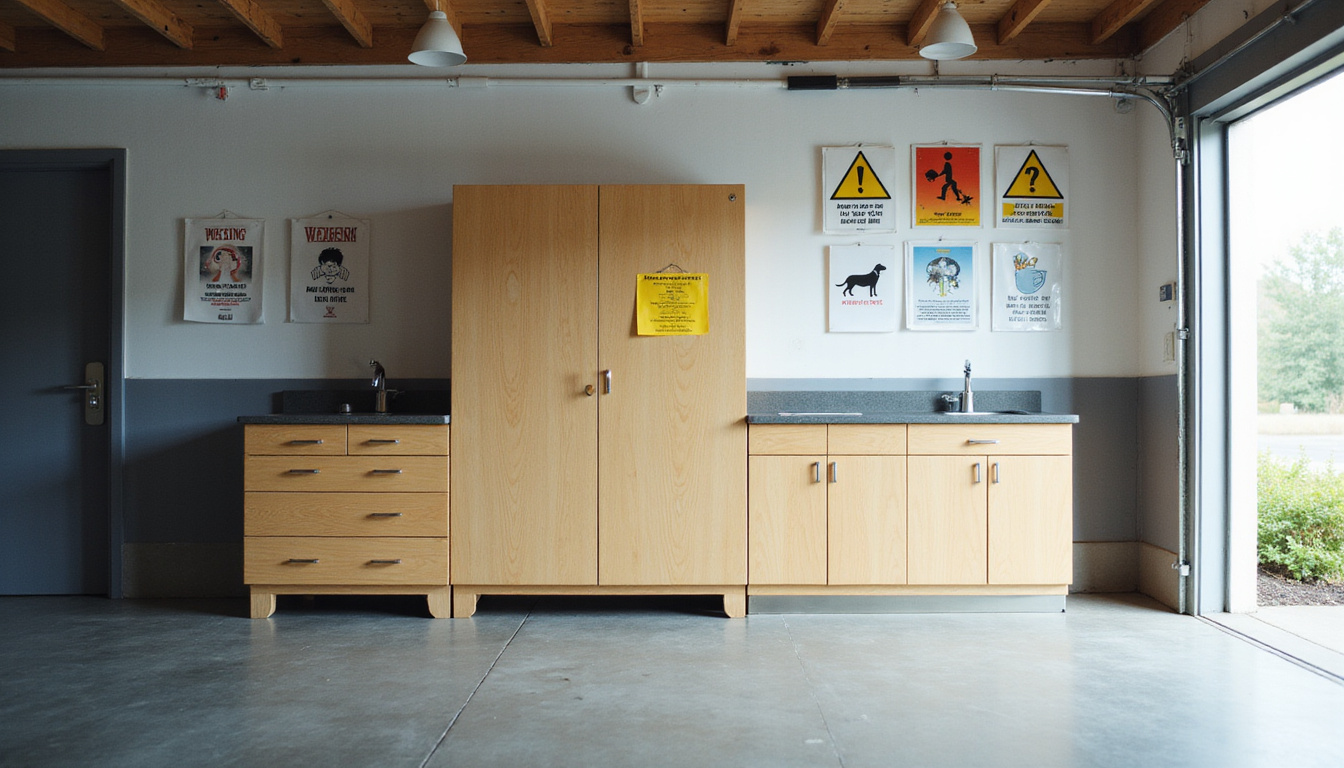
Safe Storage
• Keep it in the original, labeled container with a tight cap
• Store it in a locked place away from kids and pets
• Keep it away from heat, strong sun, or freezing weather
• Do not keep it near food or pet items
Handling Spills
• Wear gloves to clean up
• Use kitty litter or sand to soak up spills
• Sweep or wipe up and put waste in a sealed bag
• Dispose of the waste as local rules say
• Do not wash spills into drains or the soil
Disposal
• Do not pour leftover spray down a sink, toilet, or drain
• Use up what you have as the label says
• For empty bottles, rinse three times and add rinse water to your next mix
• Follow local rules for disposal
Safer Methods and Integrated Pest Management
Cypermethrin need not be your only tool. You can cut back on chemicals by:
Focusing on Prevention
• Choose plant types that resist bugs
• Improve your soil with compost and good watering
• Bring in good bugs by planting a mix of flowers
• Remove sick or heavy infected plants early
Use Other Controls First
• Pick bugs by hand if possible
• Use covers over rows of plants
• Set sticky traps for flying bugs
• Spray a strong burst of water on soft bugs
Consider Lower-Toxic Options
Before you use cypermethrin, try using:
• Insect soaps
• Plant-safe oils
• Neem chemicals
• Bug-killing bacteria for caterpillars
Reserve cypermethrin for times when other tools do not work. Then spray only the area that needs it.
What to Do If You Get Cypermethrin on You
If an accident happens, act fast:
-
On Skin:
• Take off clothes that touched the spray
• Wash with soap and water for about 15 minutes
• See a doctor if the skin stays hurt -
In Eyes:
• Rinse eyes with clean water for at least 15 minutes
• Remove contact lenses after a few minutes
• Get help if your eyes stay red or if you feel pain -
If Inhaled:
• Go outside into fresh air
• Loosen any tight clothes
• Get help if coughing, trouble breathing, or dizziness continues -
If Swallowed:
• Do not force yourself to vomit unless told by a doctor
• Rinse your mouth well
• Call poison help or go to an emergency room
• Bring the product label with you
Quick Safety Checklist for Gardeners Using Cypermethrin
Use this list before you spray:
[ ] I read the whole label for this cypermethrin spray.
[ ] I wear gloves, long sleeves, long pants, and closed shoes.
[ ] Kids, pets, and extra people are kept away.
[ ] I mixed only what I need.
[ ] I stay away from water, drains, and blooms with bees.
[ ] I know the wait time to re-enter and for harvest.
[ ] I plan how to store leftovers and clean my tools.
FAQ: Answers on Cypermethrin in the Garden
Is cypermethrin safe for vegetable gardens?
Cypermethrin can be safe on food plants if the label says so and you follow the limit and wait time. Always check that your plant is allowed, use the least spray needed, and wash the food well.
How long does cypermethrin stay in soil?
It takes several weeks to a few months to break down. It sticks to the soil and usually stays near the top, but may affect small bugs living in the soil for a time after spraying.
Is cypermethrin harmful to humans and pets?
It is moderately toxic if you get too much on your skin, breathe it in, or swallow it. Small doses might cause skin or eye irritation and mild nerve effects. If you follow the label and use the right gear, the risk stays very low.
Used with care, cypermethrin can help you fight bugs in your garden. Follow the label, protect yourself and your green space, and mix this tool with other ways to keep your garden safe and productive.