If you see a roach in your home, act fast. One sight shows a problem. Roaches spread germs and cause allergies. They grow fast in many units that share walls and gaps. A good plan will help you kill the bugs and stop them from returning.
This guide shows step‑by‑step ways to deal with roaches. Each step links ideas with small, clear phrases.
How roach infestations start in apartments
Learn how roaches come and why they live in apartments.
Why roaches like apartments
Roaches live in apartments because they find:
• Food scraps – crumbs, grease, trash, pet food, and dirty dishes
• Water – leaky pipes, wet sponges, and sink drains
• Hiding spots – behind machines, under cabinets, inside wall gaps
• Shared parts – pipes, wires, vents that join units
Even a clean home may get roaches from neighbors, hallways, basements, or trash corners.
Common apartment roach types
Knowing the type may help you choose a plan:
• German roaches – small, light brown, with two dark lines behind the head. They live near kitchens and bathrooms and breed fast.
• American roaches – large (up to 1.5 inches) and red‑brown. They appear in basements, boiler rooms, and sewers before coming into apartments.
• Oriental and brown‑banded roaches – seen in some areas.
German roaches are the most seen in apartments. They often fall to small baits and good cleaning.
Step 1: Confirm and find the infestation
First, know the bug type and where they live.
Signs of roaches
You may have roaches even if you do not see many live bugs. Look for:
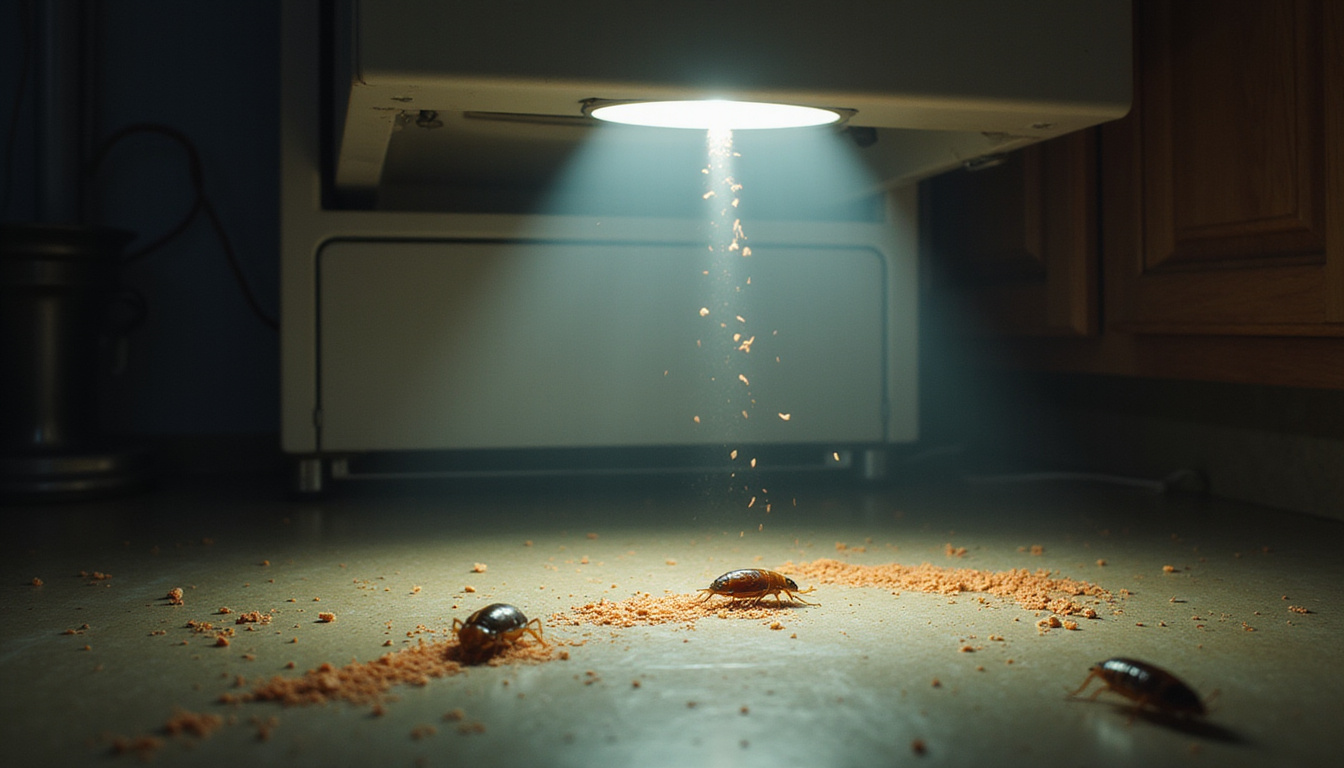
• Droppings – small black dots or smears in corners and near machines
• Egg cases – small, brown capsules hidden in cracks or behind things
• Shed skins – clear shells dropped as they grow
• A musty smell – a strong, bad odor when there are many roaches
Turn on the light at night in kitchens or baths. Roaches that hide fast show there is an issue.
Mark hot spots
Watch these areas:
• Under and behind the fridge and stove
• Near sinks and trash cans
• Inside cabinets and under the bathroom counter
• Along baseboards and where walls meet the floor
• Around heaters, radiators, and cables
This simple map will help you focus your work.
Step 2: Clean well and cut food and water
No poison will work if roaches get food and water. Clean well first.
In kitchens and dining
• Wash dishes soon; do not leave them soaking
• Wipe counters, stoves, and tables after meals
• Sweep or vacuum each day for crumbs
• Store food (and pet food) in tight containers
• Empty trash often and use a lid
• Clean greasy parts of stoves and hoods
In bathrooms and utility areas
• Fix or report leaky taps and pipes
• Wipe water on sinks, tubs, and toilets
• Hang wet towels and mats to dry
• Do not leave wet sponges or cloths in sinks
Cut clutter and hiding places
• Clear clutter in cabinets and under sinks – roaches like paper and cardboard
• Do not stack boxes or newspapers
• Keep pantry supplies in plastic bins, not cardboard
This work makes your home less kind to roaches while you work on other steps.
Step 3: Seal gaps and block movement
Roaches move easily between units. Shut off their paths.
• Seal gaps around pipes and wires under sinks and behind toilets
• Fill cracks where baseboards meet walls or floors
• Block spaces around outlets, switches, and cable holes
• Add door sweeps and weather parts to outer doors and balcony doors
Materials you can use:
• Use silicone or latex caulk in gaps
• Use expanding foam for large holes (do not use too much)
• Install door sweeps to close gaps at door bottoms
This work keeps new roaches out and limits hiding places for those inside.
Step 4: Use baits as your main tool
For indoor work, gel baits and bait stations work well and keep you safe.
How baits work
Roaches eat the bait. They go back to hide and then die. Other roaches eat bits from the dead bug. This plan helps many roaches die.
How to use gel baits
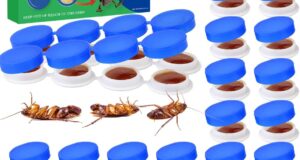
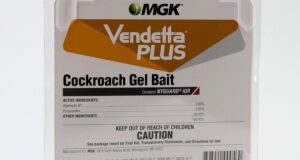
Some brands are Advion, Vendetta, and Combat. Follow the label. In general:
• Put small pea‑sized dots, not big globs
• Place bait in:
- Cabinet corners
- Under and behind machines
- Along baseboards near busy spots
- Cracks and gaps where bugs hide
• Do not put bait on greasy surfaces. Wipe and dry first.
• Do not spray on or near bait. Sprays may drive bugs away
Repeat every 1–4 weeks at first, based on your need and product tips.
Using bait stations
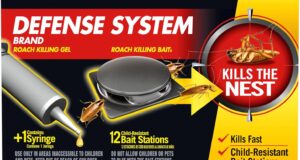
Closed bait stations work well in:
• Areas under sinks or behind toilets
• Inside cabinets, especially near the kitchen sink
• Behind machines and furniture
They are safe for children and pets, while gel baits may work faster in small gaps.
Step 5: Add growth regulators to break the cycle
In heavy cases, add an insect growth regulator (IGR). IGRs do not kill adult roaches fast. They stop young roaches from growing or laying eggs. This slowly lowers the numbers.
IGR products such as Gentrol come in:
• Discs to place in cabinets and under sinks
• Sprays for cracks and hiding spots
Many experts use IGRs with baits to stop quick rebounds.
Step 6: Use sprays and dusts only where needed
Sprays and dusts support your bait work. They are not the main plan.
When to use sprays
Use non‑repellent or lasting sprays in:
• Cracks and gaps where roaches run
• Behind and under big machines
• Along baseboards (not on food spots)
Avoid:
• Spraying large areas in kitchens or on counters
• Spraying directly on baits
• Using very strong-smelling sprays that push roaches away
Choose sprays meant for indoors. Follow all safety steps.
Using dusts in tight spots
Dusts like boric acid or silica dust work well when:
• Lightly puffed in wall gaps, under baseboards, or behind outlet plates
• Applied in a very thin line so roaches walk through them
Do not use dusts in open areas where children or pets can get them.
Step 7: Work with your landlord and neighbors
Because roaches roam through units, work as a team for full control.
Talk to your landlord or manager
Tell management fast when you see:
• Many roaches every day, even in the light
• Bugs in many rooms
• Leaks or bad gaps
• Neighbors with clear problems
Many leases or local rules ask landlords to control pests.
Ask for team efforts
• Suggest that units beside, above, and below join the work
• Ask for a plan with cleaning, sealing, baits, and checks – not just one spray
This group work lasts longer than one-time fixes.
Step 8: Keep watch and adjust your plan
Watch the work to see if it works. This helps you catch new issues early.
Use sticky traps
Place glue traps:
• Under sinks in the kitchen and bath
• Behind the fridge and stove
• Along baseboards near known spots
Check them each week. Fewer bugs mean you are winning. Many bugs after 4–6 weeks mean you must change your plan or ask an expert.
Track and change
• Write down where and when you see roaches
• Refresh old baits and remove dried ones
• Change cleaning steps if food bits return
Light to moderate cases usually improve in 2–4 weeks with a strong plan (bait + IGR + cleaning). Heavy cases may need 6–12 weeks or a pro’s help.
Long‑term steps: Stop roaches from returning
After you reduce the numbers, keep roaches away with simple steps:
• Do basic cleaning every day (clear crumbs, wash dishes, empty trash)
• Keep food and pet food in sealed bins
• Seal new gaps as they occur
• Check secondhand items before use
• Place a few bait stations in high‑risk spots (under sink, behind stove) as a check
• Tell management if trash piles up, leaks last, or bugs return
Small, steady work beats a new outbreak.
When to call a pest pro
DIY control works, yet some cases need a pro:
• You see a lot of roaches every day, even in bright light
• Bugs appear in many rooms, including living spaces
• Someone in your home has breathing issues, strong allergies, or a weak immune system
• After 4–6 weeks of clean work and bait use, there is no change
A pest expert can use strong baits, safe sprays, and growth regulators. They may work with many units at once for full results.
FAQ: Apartment roach control questions
-
What is the best way to control roaches in an apartment?
Combine deep cleaning, cutting food and water, using good gel baits, adding a growth regulator, sealing gaps, and working with neighbors and management. -
Will sprays alone fix the roach problem?
Sprays usually kill a few bugs but may push others to hide. Use sprays only with baits and regulators. -
How long does it take to control roaches?
Small cases may improve in 2–4 weeks with proper bait use, cleaning, and sealing. Heavy cases may take 6–12 weeks or more.
By cleaning well, using small baits, adding growth stops, sealing gaps, and teaming with your neighbors and landlord, you can cut a roach outbreak and keep your home free of roaches for a long time.