Using a non repellent insecticide is a smart way to kill pests without warning them. Insecticide stays quiet on the ground. Bugs step on it and pick it up. They take it back to their nest and pass it on to other bugs.
This plan works well with ants, termites, roaches, and other bugs that live in groups. Below you will learn what a non repellent insecticide is, how it works, when to use it, and how to apply it in a safe way so that pests do not know what will hit them.
What Is a Non Repellent Insecticide?
A non repellent insecticide hides from bugs. It has:
- No strong smell or taste
- No sting that makes bugs run
- Slow action so bugs do not die at once and warn others
Bugs do not sense the danger. They walk on treated spots and get sick. They pass the insecticide to many others in the nest.
Some common ingredients in non repellent insecticides are:
- Fipronil – used against termites and ants
- Imidacloprid – works in soil and structures
- Chlorfenapyr – found in some professional sprays
- Indoxacarb – used in baits and sprays
Professionals often use strong formulas. Some products are made for homes. Always read the label. In some places, only trained experts may use these products.
How Do Non Repellent Insecticides Work?
A non repellent insecticide has two rules: act in stealth and pass from one bug to the next.
- Stealth: Bugs do not feel the spray
Bug sprays that sting force bugs to run away. With a non repellent insecticide, bugs walk on it without a change. They keep their paths, nests, and feeding ways. Insecticide covers more bugs and not just a few that touch it.
- Transfer Effect: One bug spreads it to many
A bug picks up a tiny drop when it walks on treated spots. Back in the nest, the bug cleans itself and meets its friends. The insecticide touches many bugs, even queens and young ones. Because bugs do not see danger, the insecticide can spread well.
Non Repellent vs Repellent Insecticides
Knowing the difference helps you choose what to use.
Repellent insecticides:
- Kill on touch
- Can have a strong smell
- Push bugs to hide or move
- May miss hidden nests
Non repellent insecticides:
- Act slow and with little smell
- Do not push bugs away
- Let bugs bring the insecticide home
- Hit the whole nest, not just a few bugs
Many pest experts pick a non repellent insecticide for ants, termites, and roaches to fight the heart of the problem.
Best Pests to Target With Non Repellent Insecticide
Non repellent insecticides work best on bugs that live in groups or act as a group. They can also act on lone bugs but shine when many live together.
- Ants
Ants follow trails and share food. A non repellent insecticide lets ants move on treated paths. They take the insecticide and feed the queen and the eggs. This can bring down the whole nest.
Non repellent sprays and baits may work best when mixed for fast, deep control.
- Termites
Termites hide and work unseen. Worker termites move through soil and wood. They pass the insecticide when they meet. Soil treatments let termites pass through treated zones without fear. This kills many termites and helps save the structure.
- Cockroaches
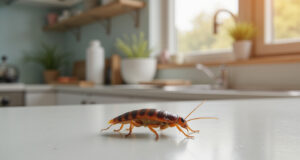
Non repellent insecticides can work on roaches, especially when used with baits. Roaches groom each other and pass on the poison. The spray can be placed in cracks and behind old appliances. It also reaches those roaches deep in walls.
- Occasional Invaders
Non repellent insecticides can help with:
- Some spiders that walk on treated spots
- Silverfish and earwigs in small cracks or basements
- Some pests that come with stored food
Check the product label to be sure it works on your problem.

Where and When Should You Use Non Repellent Insecticides?
A non repellent insecticide works best when:
- You must fight a long-lasting infestation
- The nest or colony is hidden or hard to find
- Past sprays have just pushed bugs around
- You want a long-term fix and not just a quick kill
You may treat:
- The home perimeter: around the base to keep ants and bugs out.
- Soil for termites: under and near a home to build a defense.
- Cracks and corners: near baseboards, doors, and pipes.
- Specific hot spots: areas where you see ant trails or roaches.
Non repellent insecticides do not bring fast relief on large swarms. In such cases, use a mix of methods or ask a professional for help.
How to Use a Non Repellent Insecticide Safely and Effectively
Good work needs good care. Use these steps for best results:
- Identify the Pest
- Confirm the bug type (ant, termite, roach).
- Look for signs like droppings or trails.
- Clear ID helps you pick the right insecticide.
If you are not sure, call a pest expert or visit a local help center.
- Read the Label
Every product has a label. The label tells you:
- The bug types and areas to treat
- How to mix it, if needed
- How to spray or apply it
- What gear to wear and when it is safe to re-enter
Follow the label as law.
- Prepare the Area
Work better when you clear the zone:
- Clean food spills and food sources
- Seal gaps in doors and windows
- Clear clutter that hides bugs
Leave some trails so bugs go to the treated parts.
- Apply With Care
Do not spray all over. Use the insecticide on paths and points:
- For ants: use on trails, near baseboards, at door edges.
- For roaches: use in cracks near water or heat (near stoves, fridges, sinks).
- For outdoor pests: use along the foundation and door areas.
Do not soak the area. A thin, clear line is best.
- Do Not Mix Sprays
Mixing a bug spray that repels with a non repellent insecticide can hurt the plan. The repellent may push bugs away so they do not pick up the non repellent insecticide. Do one method at a time.
- Allow Time for Results
A slow kill takes time:
- Ants may drop in 3 to 7 days, with full fall in 1 to 4 weeks.
- Roaches may show less action in 1 to 2 weeks.
- Termites can take weeks or months for full effect.
Do not over-treat. Follow the label for when to spray again.
Benefits of Using a Non Repellent Insecticide
Consider these good points:
- Hits the whole nest, not just what you see
- Keeps bugs in place so they can share the insecticide
- Has little or no smell
- Works for several weeks or months
- Works well in small or busy spots without much fuss
Use all insecticides with care to protect people, pets, and the earth.
When to Call a Professional
Some times you need expert help:
- If termites are active in the wood or near the home
- If large roach shows keep coming (especially in shared homes)
- If ants repeat in numbers after you try home solutions
- If there are kids, pets, or people who may be sensitive, and you want a safe treatment
Experts use strong products and special tools to reach bugs hidden in hard spots.
FAQ: Non Repellent Insecticides and Quiet Pest Control
- What is the difference between a non repellent insecticide and regular bug spray?
A non repellent insecticide hides from bugs. Regular sprays sting on contact and push the bugs away. Non repellent types work slowly so bugs bring the poison home.
- Are non repellent treatments safe for pets and kids?
Most non repellent insecticides are safe when you follow the label. This means keeping kids and pets away when you spray, letting the area dry, and not spraying on toys or dishes. If in doubt, ask a pro.
- Can I mix a non repellent insecticide with ant baits?
Yes. Non repellent insecticides work well with ant baits. They do not push ants away so they can pick up both the spray and the bait. Do not use sprays that push bugs away in the same spot.
Using a non repellent insecticide kills bugs without a fight. Choose the right product, use it with care, and give it time. This plan helps stop the whole nest, not just a few bugs you see.