Pet Safe Insecticide: Kill Pests Fast Without Harming Pets
You want a bug spray that kills insects. You want your pet to be safe. You want to stop fleas, ants, ticks, spiders, and more. You need the right product and the right method. Follow the directions. You kill bugs fast. You keep your home safe.
What Makes an Insecticide “Pet Safe”?
A pet safe bug spray is not free of all harm. It is safe when used as told.
• Use it as told, and the risk stays low.
• Pets do not meet wet sprays, dust, or strong product.
• The maker shows it is made for homes with pets.
Two points matter:
- The chemical’s harm to animals.
- How much a pet touches the product.
Even a bug spray with low harm can hurt a pet if it is wet when a pet walks by. Some strong sprays, when used and dried properly, kill bugs and keep pets safe.
Common Pet Safe Insecticide Types
Here are some types that work well with pets.
1. Bug Growth Blockers
Best for: Fleas, some bugs indoors, long control.
Bug growth blockers do not kill grown bugs. They slow down bug growth and stops bugs from making more bugs.
Key parts:
• Methoprene
• Pyriproxyfen
• S-methoprene
Why they work for pets:
• They hurt mammals very little.
• They work on bug body parts.
• They are in flea control products for pets.
They work well with cleaning and vacuuming.
2. Neonicotinoids (Some Types)
Best for: Ants, roaches, and bugs at the border.
Neonicotinoids work on bug nerves. They hurt bugs more than pets when well made.
Examples:
• Imidacloprid
• Dinotefuran
• Thiamethoxam
Why they work for pets:
• Many ready-to-use baits and spot treatments are made for a home with pets once dry.
• They are kept in bait spots that pets cannot reach.
Be careful:
• Do not use loose granules or liquids that a pet can lick.
• Always read the label and keep pets away until the area is dry.
3. Pyrethrins and Pyrethroids (Used with Care)
Best for: Many bugs, small flying bugs, and fast knockdown.
Pyrethrins come from flowers. Pyrethroids are man-made. Examples include permethrin, cypermethrin, and deltamethrin.
Good points:
• They work fast to knock down many bugs.
• Many versions say they are safe for pet areas once dry.
Be careful:
• Cats can be hurt by some of these.
• Strong use or wrong use can cause tremors or even seizures.
When you use a pyrethroid spray indoors:
• Keep pets away during use.
• Let the area dry well with fresh air.
• Do not use a product for one pet on another species.
4. Dry Dusts
Best for: Bed bugs, fleas, roaches, ants, cracks, and small holes.
Dry dusts work by making bugs dry out. They do not use a poison that spreads.
Types include:
• Silica gel
• Food-grade diatomaceous earth
Why they work for pets:
• They do not spread a poison inside the body.
Use with care:
• Do not let a lot go into the air.
• Do not put where pets breathe or eat dust.
• Clean up any extra dust.
5. Natural and Plant Options
Best for: Small bug problems, keeping bugs away, light work.
These sprays use cedar oil, peppermint oil, clove oil, thyme oil, or neem oil.
Good points:
• They are shown as low risk for pets when used rightly.
• They can keep bugs away or kill some bugs.
Be careful:
• Strong oils can hurt pets in high amounts. They can hurt cats and birds.
• They are not as strong as other sprays for big bugs.
Always use a product that says it is safe for pets. Do not use oil neat on pets or on items they touch.
What You Should Not Use Around Pets
Be cautious with some ingredients:
• Organophosphates (like chlorpyrifos or diazinon) are banned in many homes.
• Carbamates (like carbaryl) may hurt pets.
• Loose boric acid where pets may lick it.
• Loose granules that pets can touch.
• Mothballs (naphthalene or paradichlorobenzene) can hurt pets.
If a product does not say it is for homes with pets, pick another one.
How to Use Pet Safe Insecticide Without Harming Your Pets
Even a safe spray can be risky if the rules are broken. The key is to use it right.
Step-by-step safety:
-
Read the label completely.
• Look for words like “safe for homes with pets.”
• See where the spray goes (indoors, carpets, etc.).
• Follow amounts and times exactly. -
Remove pets during the spray.
• Put pets and their bowls away from the spray area.
• Cover aquariums and turn off water pumps. -
Spray only where needed.
• Focus on cracks, small holes, or corners.
• Do not spray big areas or pets (unless the product says so).
• Use bait spots rather than loose bait. -
Let the spray dry and let air flow.
• Do not let pets return until dry.
• Open a window or use a fan if you can. -
Keep products safe.
• Keep the bottle closed and stored well.
• Put them high or in a locked space away from pets. -
Wash up after you use it.
• Wash your hands before you touch pets or their toys.
• Wipe any pet items that get extra spray.
Ways to Cut Back on Using Insecticide
The best spray is the one you do not need to use often. Strong cleaning and simple steps can help you use less spray.
Key steps:
• Seal small holes or gaps in your home.
• Keep pet food in closed boxes.
• Clean up crumbs and spills fast.
• Do not leave pet food out at night if bugs like ants or roaches are near.
• Keep your home free of clutter.
• Fix leaks and wet spots.
• Vacuum floors, baseboards, and pet beds often.
• Wash pet beds in hot water to kill bug eggs.
Mix these steps with a small amount of spray. You get fast results with fewer chemicals.
Pet Safe Insecticide for Specific Bugs
Different bugs need different fights.
Fleas and Ticks (Inside and on Pets)
• Use vet-approved treatments like spot-ons, chewables, or collars.
• In your home, use a spray with a bug growth blocker (like methoprene or pyriproxyfen) on carpets and under furniture.
• Use a light dust (silica gel or food-grade diatomaceous earth) in cracks.
• Vacuum every day if there are many fleas.
Ants
• Place bait spots that pets cannot reach.
• Use a small spray on cracks along ant trails, not on open floors.
• Seal holes and clean up food drops with soap and water.
Roaches
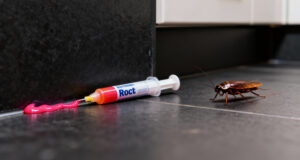
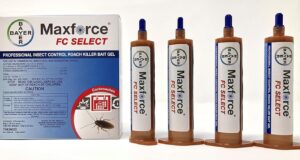
• Use gel baits in small gaps behind appliances and cabinets.
• Use a bug growth blocker spray in tight areas.
• Keep your home neat, fix leaks, and store food well to give roaches less room.
Spiders and Crawling Bugs
• Vacuum away webs and egg cases.
• Spray a bug spray that is made for pet homes near baseboards and doors.
• Use sticky traps in areas pets cannot go.
When to Ask a Pest Expert
If bugs are many (like bed bugs, many roaches, or many fleas), call a pest expert. Ask these questions:
• “Do you use pet safe bug sprays?”
• “What chemicals will you use and how do you keep pets safe?”
• “How long should pets stay away?”
A good expert gives you safety sheets and clear words.
What to Do If Your Pet Meets Insecticide
If a pet touches or eats the spray, act fast:
-
Remove the source.
• Move your pet far from the sprayed spot.
• Remove any product on collars or fur. -
Rinse skin or fur.
• Bathe with mild soap and warm water. -
Call your vet or pet poison help right away.
• In the U.S., call the ASPCA pet poison help at 1-888-426-4435 (fees may apply). -
Keep the spray bottle or label close.
• The label shows the key parts for treatment. -
Watch for signs like drooling, shaking, or odd actions.
• These mean you must get help now.
A fast act keeps your pet well.
Quick Checklist: Picking a Pet Safe Insecticide
Use this list when you shop:
[ ] The label says it is for home use with pets.
[ ] The active part is low in harm to animals, like bug growth blockers or safe dusts.
[ ] The spray method stops pet contact (bait spots or small spray in gaps).
[ ] The label says when pets can come back.
[ ] There are no very harsh chemicals (no organophosphates, no mothballs).
[ ] The brand speaks of pet safety. Cross-check with true facts if you worry.
FAQs About Pet Safe Insecticide
-
What is the safest bug spray around pets?
A safe spray is one that is used with care. A spray with bug growth blockers or safe dusts works well. Always pick a bottle that says it is safe for homes with pets. Do not let pets come in until the area is dry. -
Is there a bug spray that is not toxic at all?
No spray is 100% free of harm. Some sprays use plant oils or low-risk chemicals. Even a natural spray can hurt a pet if used too much. Always read the label and do not spray your pet unless the product says so. -
Can I spray my pet with a household bug spray?
No. Only use products that say they are made for pets. For your pet’s skin, use treatments your vet gives you, like spot-ons, tablets, shampoos, or collars.
When used right, a pet safe insecticide helps you win the fight against bugs and keeps your pet safe. Use good habits and follow the label to have a bug-free, pet-friendly home.