Insecticide strips can work well if you use them right. They are low-effort and help keep flies, moths, mosquitoes, cockroaches, and other pests at bay. Some hang a strip, see little change, and say the strip “doesn’t work.” In truth, a strip works hard if you choose the right one, hang it well, and use good pest habits.
This guide tells you how strips work, how to pick the right type for your need, where and how to use them safely, and what to do if they seem weak.
What are insecticide strips and how do they work?
Insecticide strips look like thin plastic cards. They hold a chemical that slowly seeps out. When pests touch the strip or breathe the air near it, the pest drops and dies.
You may see three types at home:
-
Vapor strips
They have chemicals like dichlorvos (DDVP) that spread a light dose of insect killer in small, closed areas. Use them in:- Storage rooms
- Attics or crawl spaces
- Closets
- Garages
-
Contact kill strips and tapes
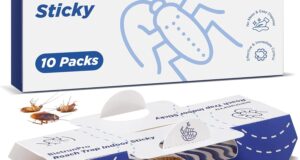
Pests walk on these strips. They work by:- Gluing bugs down (fly strips)
- Killing on touch
- Being used in hidden spots (under sinks or behind machines)
-
Scent-based strips
They draw in pests like pantry or clothes moths. They trap bugs on sticky surfaces that do not need a chemical spray.
Know which type you have. That choice will drive where and how you hang the strip.
Pros and cons of insecticide strips for household pests
Before you depend on strips, think of what they do well and where they fall short.
Advantages
• They need little work yet work many weeks or months.
• They work best in closed spaces like attics, storage rooms, or closets.
• They add to a good cleaning routine.
• They usually cost less than many sprays or a visit by a pest person.
Limitations
• They work best in small, closed areas and not in open, breezy rooms.
• They do not stop a big bug problem by themselves.
• Some vapor products should not be used in rooms where people stay all day.
• A strip that kills moths may not work well for roaches.
Choosing insecticide strips that work for your problem
Matching the strip to the pest and spot means you spend your money well.
-
Identify the pest
Check if the pest is a:- Flying bug like a fly, moth, or mosquito
- Pantry pest such as a moth or beetle
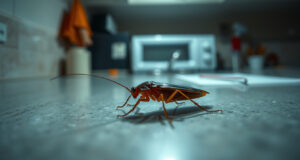
- Bug like a cockroach, silverfish, ant, or bed bug
If you are not sure, take a photo and use a trusted guide.
-
Match strip type to spot
- In the pantry or food storage:
Use scent strips or sticky traps made for pantry pests. Do not use vapor strips near food. - In closets:
Use moth strips made for clothes moths. Keep your clothes clean. - In attics, crawl spaces, garages:
Use vapor strips where the space stays closed and people do not stay. - In kitchens or baths:
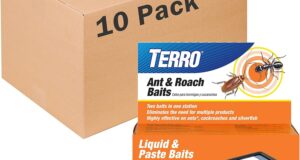
Use contact strips or baits for ants or roaches. Hang them behind machines or in dark spots. - In living rooms or bedrooms:
Do not use vapor strips if people stay there long. If you do, follow the label.
- In the pantry or food storage:
-
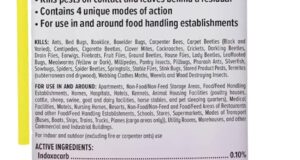
Read the full label before you buy
Check for these details:- The pests the strip will kill
- The spots where it can be used (indoors, outdoors, near food)
- How long the strip will work
- Warnings for children, pets, or food areas
- Rules for air flow or room use
If the strip does not list your pest or spot, choose a different one.
Placement: the key to success
Where you hang a strip makes a big change. A good place means a strip can work best.

General ideas for placing a strip
-
Stay near where pests show up
- Hang strips close to bug trails or marks.
- For moths, hang by clothes or grain.
- For roaches, hang under sinks or behind the fridge.
-
Size matters
- Vapor strips list a room size (e.g. “up to 900 cubic feet”). A strip in a big open room may not work.
- In a very small space, one strip may be too strong. Follow the label.
-
Keep away from strong air
- Do not hang near fans, air vents, or open windows if you use vapor strips.
- Sticky strips can be in a little air if the bugs still come.
-
Keep out of reach of kids and pets
- Hang high, behind closed doors, or out of play areas.
- Do not let pets or children reach them.
-
Keep off food places
- Especially with insecticide strips, do not let them get near open food.
Example plans for places
• Fruit flies in a kitchen:
Use a sticky strip near a fruit bowl or bin at head height.
• Roaches in an apartment:
Hang contact strips behind the fridge, under the sink, and near cracks. Clean and use bait if needed.
• Moths in a closet:
Stick scent strips on the back wall with a few feet space in large closets. Keep the door mostly shut.
Tips for getting the best from insecticide strips
For a best use, see strips as part of a larger plan.
-
Pair with cleaning
Strips work best when you also clean well.- Wipe up crumbs soon.
- Keep grains and pet food in sealed boxes.
- Fix leaks and dry damp spots.
- Empty trash and compost often.
-
Seal gaps
You cut down on bugs if you:- Close cracks near windows, doors, and pipes.
- Use and mend screens on windows.
- Add door seats as needed.
- Seal gaps near baseboards.
-
Replace strips on time
Strips lose strength.- Note the start day on the strip or nearby.
- Replace as the label says, usually every 2–4 months for vapor types.
- Use a new strip rather than waiting too long.
-
Watch what you see
- Do you catch or see fewer bugs?
- Do bugs still appear after a week or two?
- Are new spots showing bugs?
If a spot does not work, hang a strip a touch higher, lower, or nearer to where bugs show up. Wait a week and see.
Safety and rules
Because insecticide strips send out a chemical, safety is a must.
• Follow the label. The label tells you how to use it and is a legal guide.
• Keep air flow rules in mind. Some strips need a room that is not always full of people.
• Choose safe strips for kids and pets and keep them out of reach.
• Do not use vapor strips near food unless the label allows it.
• Check with local rules. Some areas do not allow certain chemicals.
• If you have breathing problems or allergies, ask a doctor before using vapor strips.
When insecticide strips are not enough
Sometimes strips, by themselves, do not solve a bug problem:
• Big roach or bed bug runs
• Rodents or wild animal issues (strips do not work on these)
• Constant wet or building issues that bring bugs
• Ongoing pantry pests from old, infested foods
If you face these:
- Use strips to drop bug numbers and watch the area.
- Add baits, powders, or sprays that match the label.
- Call a pest expert for bugs like bed bugs, termites, or strong roach problems.
An expert can check, spot the bug, and make a simple plan that may still use the strip as one part.
Quick checklist: making insecticide strips work
Use this list to check your plan:
- [ ] Did I spot the main bug correctly?
- [ ] Did I choose a strip tagged for that bug and spot?
- [ ] Did I read every part of the product label?
- [ ] Is the strip near where bugs appear and the space size is right?
- [ ] Is the strip kept from kids, pets, and food areas?
- [ ] Did I clean and seal my home to remove extra food, water, and gaps?
- [ ] Did I mark the day I hung the strip and plan to change it?
- [ ] Do I watch the area and change where needed?
If you use insecticide strips this way, they turn from a maybe-help gadget to a simple, low-work way to keep pests low.
FAQ about insecticide strips and pest control
-
Are insecticide strips safe for bedrooms and living areas?
It depends on the strip. Many vapor types say they work best in attics, garages, or storage. Check the label. For rooms with people, use sticky strips or traps that do not send chemicals into the air. -
Do insecticide strips work for pantry moths and food pests?
Yes, if you choose pantry-safe or scent strips made for pantry bugs. These traps lure bugs with a scent or glue them. Also, throw out bad food, clean shelves well, and keep food in sealed containers. Strips do not work alone if food is left out. -
Can insecticide strips rid a home of roaches by themselves?
They can cut roach numbers, especially if the strip touches roach paths. They rarely fix a strong roach problem. For best use, mix strips with baits and clean well. A heavy problem may need a pest expert.
Used with care, insecticide strips can serve as a simple tool that helps keep bugs in check at home.