Residential Roach Treatment: Proven DIY Methods to Eradicate Roaches
If you spot roaches on your floor or counter, act fast with home roach control. Roaches make you feel gross. They spoil food, cause allergy flare-ups, and breed fast. The good news is that steady, clear DIY steps can clear up small to medium problems without a pest expert.
Below is a simple guide to spot, treat, and stop roaches in your home.
Understanding Roaches in the Home
Know your roaches before you treat them.
Common Household Roach Types
Roaches in homes come in a few types:
- German roaches – Small (½–⅝ inch). They are light brown with two dark marks. They live in kitchens and baths and breed very fast.
- American roaches – Big (1½–2 inches). They are reddish-brown. They live in basements, drains, and workrooms.
- Oriental roaches – Dark and shiny. They like wet, cool spots such as crawl spaces and basements.
- Brown-banded roaches – Small like German roaches but with light bands. They hide in furniture, high in the room, or in cabinets.
German roaches are the most common indoor pest. They can be hard to beat without a full home plan.
Signs of a Roach Problem
You may not see live roaches by day. Look for clues:
- Small dark droppings that look like coffee grounds or black pepper.
- Egg cases in cabinets, behind machines, or near sinks.
- A musty odor in areas that smell wet.
- Smear marks in damp spots.
- Roaches seen at night when you turn on the light.
If you spot many roaches by day, your problem is big.
Step 1: Begin with Clean-Up and Blocking
Roaches need food, water, and safe spots. Remove these to stop them.
Clear Clutter and Deep Clean
Roaches like messy, dirty places. They hide in clutter and find meal crumbs.
- Kitchen:
- Wipe up crumbs and spills fast.
- Clean stovetops and counters each night.
- Vacuum under machines and behind the fridge and stove.
- Empty trash each day. Use a bin with a tight lid.
- Home-wide:
- Remove stacks of boxes and old papers.
- Tidy closets and storage spots.
- Wash pet bowls often and do not leave food out at night.
Stick with cleaning often. One clean day followed by neglect will not fix a roach problem.
Remove Water Sources
Roaches can live for weeks without food but need water each few days.
- Fix leaks from taps, pipes, and refrigerators.
- Dry sinks and bathtubs each night.
- Do not leave wet sponges or dishcloths in sinks.
- Look under sinks and near toilets for drips.
Close Off Entry and Hiding Spots
Roaches flatten their bodies and slip through small gaps.
- Seal cracks near baseboards, pipes, windows, and doors with silicone caulk.
- Fix broken window screens.
- Put door sweeps on outside doors.
- Block gaps around wires and pipes.
- Caulk cracks in cabinets, especially under sinks and near pipes.
These steps do not kill roaches but make your DIY steps work better and stop new roaches.
Step 2: Use Baits – Core of DIY Roach Treatment
For many, bait is the best home method. The bait works by being eaten. Roaches then bring the poison back to their hideouts.
Gel Baits
Gel baits come in small tubes and work well when applied in small spots.
How to use gel baits:
- Squeeze out pea-sized dots in key places:
- Under and behind kitchen cabinets
- Along baseboards near dark corners
- Around and behind machines
- Under bathroom sinks and vanities
- Put dots near where roaches run. Keep them out of reach of kids and pets.
- Clean the spot first. Greasy or dusty spots may stop roaches from eating the bait.
- Add more bait every 1–2 weeks or after heavy cleaning, as the label says.
Change the poison type every few months. This helps when roaches learn to avoid the bait.
Bait Stations
Pre-made bait stations are neat and safe where kids and animals play.
- Set them along walls, under machines, inside cupboards, and in corners with roach signs.
- Use several stations. Roach control needs many spots.
- Do not spray chemicals where bait sits. Sprays may drive roaches away from the bait.
Step 3: Use Dusts in Tight and Hidden Spots
Dust with insect dust can help in spots that are hard to reach.
Boric Acid Dust
Boric acid works well when roaches pick it up while they groom.
Here is how to use it:
- Use a hand duster or squeeze bottle.
- Spray a very thin layer. Thick piles will make roaches avoid the spot.
- Focus on:
- Under and behind fridges and stoves
- In wall gaps (via outlet covers or panels)
- Under sinks and in cabinet corners
- Keep the dust dry. Wetness makes it not work well.
Use boric acid with care. It is low risk to people when used right but keep it away from kids and pets.
Silica and Diatomaceous Earth
Silica dust and food-grade diatomaceous earth harm roaches by breaking their skin and letting them lose water.
- Always choose food-grade diatomaceous earth.
- Spray lightly in small gaps and cracks.
- Do not put too much. Thick layers do not work and make a mess.
- Add more if cleaning or if the dust becomes wet.
These dusts help stop roaches over the long run after the main problem is controlled.
Step 4: Use Traps and Monitors Smartly
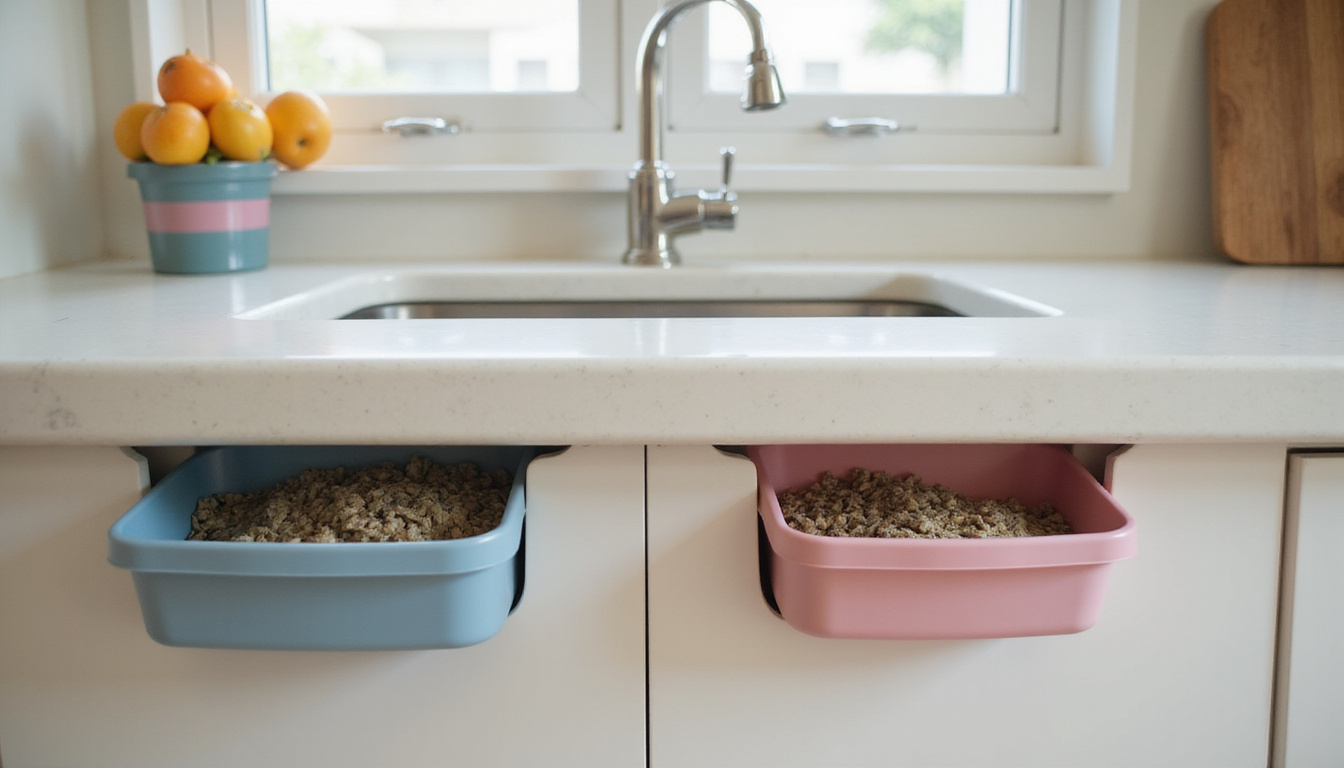
Sticky traps do not kill all roaches but help you watch the problem and cut down numbers.
How to Use Glue Traps
- Place traps along walls, in corners, under sinks, and behind machines.
- Use several traps in each busy spot.
- Check traps each week to:
- See how many roaches are present.
- Find hot spots so you can add bait or dust.
- Watch if your plan is working.
If traps catch fewer roaches over several weeks, your plan works.
Step 5: Use Sprays with Care and Smartly
Many reach for sprays, but they can sometimes work against bait use.
When to Use Long-Lasting Sprays
Long-lasting spray can help in some spots:
- Around baseboards in rooms where kids and pets cannot reach.
- In garages, workrooms, or basements.
- Outside around your home to slow invaders.
Keep in mind:
- Do not spray near bait. Sprays can drive roaches from areas with bait.
- Follow all label guides and keep kids and pets off the area until dry.
- For inside, use bait and dust first. Use spray for outside walls and gaps.
Step 6: Natural and Low-Toxin Help
Some choose low-toxin tools. These may not clear a big problem but can help a full plan.
Soap and Water Spray
Mix dish soap in water in a spray bottle.
- Spray this mix on roaches to stop them by suffocation.
- This only works for roaches on contact. It does not clear the full group.
Essential Oils (Used in Small Amounts)
Some oils like peppermint, cedarwood, and eucalyptus can keep roaches away when mixed in water. They are only a small part of a full plan. Follow safe mix directions and do not count only on oils when roaches are many.
A Simple DIY Roach Control Plan
Here is an easy plan to follow:
-
Week 1 – Deep Clean and Block
- Tidy and clean the kitchen and bath.
- Fix leaks and remove water.
- Empty trash each night.
- Seal gaps and cracks.
-
Week 1–2 – Set Up Baits
- Place gel bait or bait stations where you see roaches.
- Do not spray near these spots.
-
Week 1–2 – Dust Hidden Spots
- Lightly dust small, dry gaps under machines, in walls, or under sinks.
-
Week 2–4 – Watch and Change
- Set glue traps to check the number of roaches.
- Add more gel bait as needed.
- Put more dust if the old dust is disturbed.
-
Week 4+ – Keep Up the Work
- Clean well and stop water drips.
- Keep a few baits and dusts in busy areas.
- Check every month, especially when it is warm.
When to Call a Pest Expert
DIY home roach treatment works for small to medium problems. Call an expert when:
- You see roaches every day in many rooms even after 4–6 weeks of work.
- There is a very large German roach problem with many egg cases.
- You live in an apartment, condo, or similar place where neighbors also have roaches.
- A family member has strong allergies, asthma, or other health issues that roach bits may make worse.
A pest expert can use stronger tools and special methods that a DIY plan may not have.
Frequently Asked Questions About Residential Roach Treatment
-
What is the best home method for roaches?
A mix of clean-up, sealing gaps, and using gel bait with dust is the best method. Bait hits the group fast while dust stops roaches that hide. -
How long does home roach control take?
The work may take 3–6 weeks for small groups and up to 3 months for big groups. You may see a drop in 1–2 weeks if done correctly. Keep checking and cleaning to stop the roaches from coming back. -
Are DIY roach methods safe for kids and pets?
DIY roach work can be safe if you follow all label guides and use care:
• Use bait stations that kids and pets cannot open.
• Put dust in hidden spots, not in open areas.
• Store all products away from reach, and do not use too much.
• If you worry, talk with a pest expert or your doctor/vet.
Steady and clear home roach treatment can beat a roach problem. Work with cleaning, sealing gaps, setting bait and dust, and watch the traps. This way, you can take back your home without high costs.