Permethrin Safety Guide: Protect Your Home and Pets from Pests
Permethrin works to stop pests. It is a chemical that harms insect nerves. It stops mosquitoes, ticks, fleas, and small bugs in your house. This guide shows how permethrin works, when to use it, and how to keep your family, pets, and nature safe. Use these simple steps today.
What is permethrin and how does it work?
Permethrin is a man-made chemical in the pyrethroid group. It stops bugs by blocking their nerve signals. It makes them unable to move and then they die. You can get it in sprays, liquid blends, dust, and pre-treated fabrics such as bed nets and clothes. Some pet items sold in stores and many bug-control products used by experts have permethrin. It works well even in small amounts and lasts on many surfaces.
Common uses for permethrin
• Control bugs indoors and outdoors (ants, roaches, spiders)
• Treat dogs for fleas and ticks (do not use on cats)
• Put on clothes and gear to keep ticks and mosquitoes away
• Spray around the home’s edge
Why safety matters
Permethrin is safe when the label is followed. It can hurt fish and water animals. It may also hurt pets (especially cats) and people if used wrong. Always check the label. Wear your safety gear. Keep treated items far from animals that are at risk.
Basic safety rules before you apply permethrin
• Read and follow the label. The label gives legal, clear rules.
• Keep children and pets away from the area until it dries and the label says it is safe.
• Do not use dog products on cats. Cats react badly to permethrin.
• Do not spray near streams or drains. This keeps water life safe.
Safe application: step-by-step
- Pick the right product for your need: indoors, outdoors, pet use, or clothes.
- Wear safety gear such as gloves, long sleeves, eye protection, and a mask if asked for.
- Cover or remove food, dishes, bedding, and pet items from the area.
- Spray only on the surfaces that the label says (baseboards, cracks, outside foundations, clothing). Mix it as the label says and use the right tools.
- Let the area dry. Open windows as the label suggests.
- Wash your hands and any skin that may have touched the product.
- Store any leftover product in its original bottle. Keep it closed and out of reach of children and pets.
Practical tips to protect pets
Many products use permethrin in flea and tick items for dogs. It is not safe for cats and can hurt fish and birds. To keep pets safe:
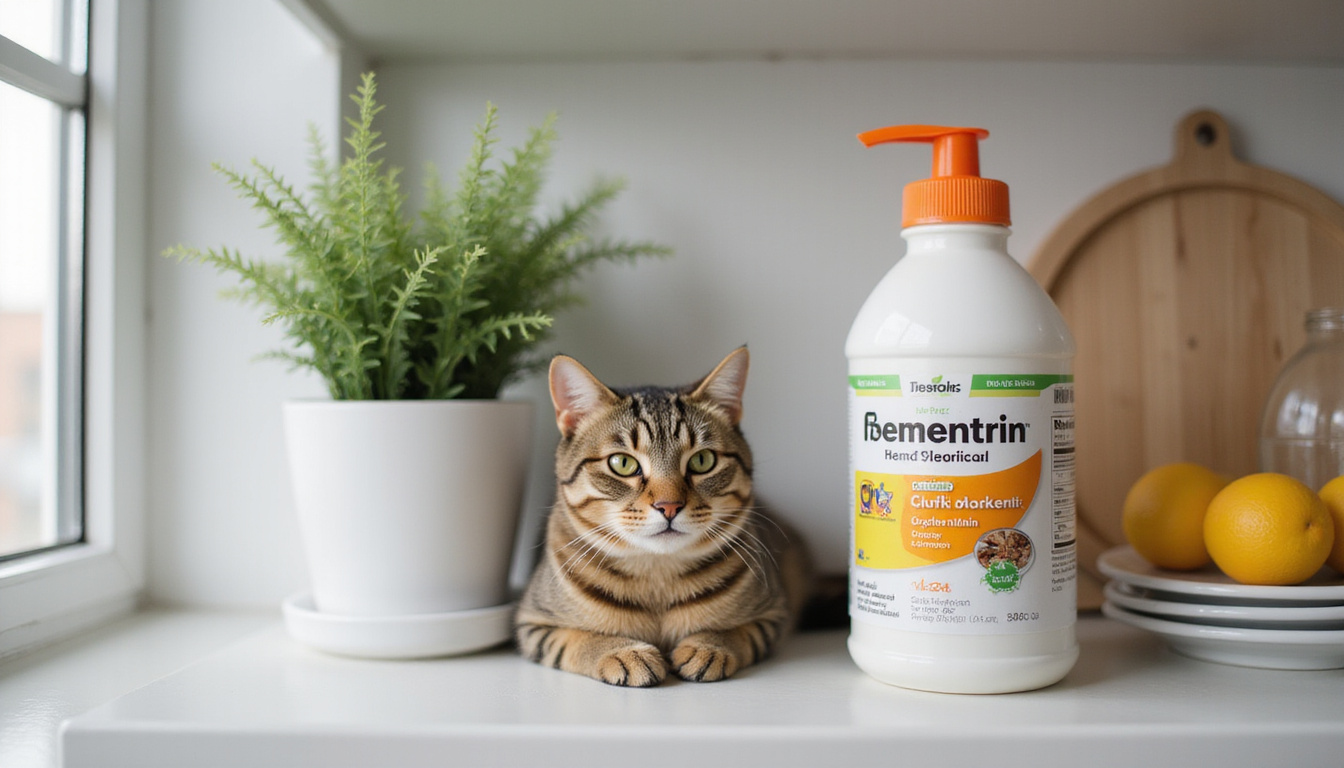
• Do not use dog treatments on a cat. Even a bit can harm a cat.
• Keep treated dogs away from cats until the product has fully dried.
• Wash your hands after you handle the product. Wash your clothes, too.
• If a pet shows signs like shaking, drooling, or weakness, call your pet doctor right away.
Environmental considerations
Permethrin sticks to soil and surfaces. It can stay there for a long time. It can hurt water animals. Do not spray near ponds, streams, or drains. Use just enough to work and follow the label on how to throw it out. For hard bug problems or sensitive spots, call a licensed pest helper. They know how to spray in a way that cuts down waste.
When to call a professional
• For big or lasting bug problems (termite, bed bug, heavy roach issues)
• For treatment around sensitive spots like water and beehives
• For homes with people who react badly to chemicals
An expert can choose the best product, spray safely, and suggest ways to stop bugs from coming back.
Alternatives and integrated options
A mix of steps can cut down on chemicals. This plan, called Integrated Pest Management (IPM), uses cleaning, sealing holes, traps, and careful treatment. Try these tips:
• Seal gaps and fix leaks
• Clear clutter and vacuum often
• Set traps and put in barriers
• Use safe non-chemical methods like diatomaceous earth (if it is safe) or hot water on ant spots
Checklist: Before you use permethrin
• Read the label for where to use it, amounts, and safety gear rules.
• Check that the product fits the pest and the spot.
• Cover food, pet bowls, and bedding.
• Keep children and pets away while you work and until it is safe.
• Stop runoff to drains, ponds, or water channels.
• Store the product safely and throw away the bottle as the label says.
Common misconceptions about permethrin
• Myth: Permethrin is completely safe because it is used on clothes.
Fact: Permethrin on clothes is made to cut down risk, but using it wrong can be harmful.
• Myth: A greater dose gives better control.
Fact: More permethrin does not always kill more bugs and can hurt people, pets, and nature.
• Myth: All flea products are the same.
Fact: Products for pets are made for each animal. Dog products can harm cats.
Citing an authoritative source
For deep rules and safety tips, see the U.S. Environmental Protection Agency’s guide on permethrin.
Short FAQ
Q: Is permethrin safe for pets?
A: Permethrin works for dogs if the label says so. It is very bad for cats. Use only pet items made for the animal. Follow the label and keep pets away until it is dry.
Q: How long does permethrin spray stay active?
A: How long it works depends on the mix, surface, and weather. Indoor sprays stay active for weeks to months. Outdoor sprays fade faster with sun and rain. Check the label for when to spray again.
Q: Can I spray permethrin inside my home?
A: Yes, some permethrin products are meant for indoors when used on the right surfaces like baseboards and cracks. Read the label, open windows as needed, and keep people and pets away until it dries.
When to seek immediate help
If someone feels sick (dizzy, head pain, nausea, skin rash, or trouble breathing), take them away from the area, remove dirty clothes, wash with soap and water, and get help. If a pet shows signs like shaking or weakness, call your pet doctor or an animal poison hotline now.
Record-keeping and follow-up
Write down when you use permethrin. Note the date, the product name, its mix strength, the treated areas, and who did the job. This log helps you see what works and if any problems show up. It also helps an expert help you later if needed.
Final safety reminders
• Read the label. It has all the safe steps.
• Use permethrin as one tool, not the only fix. Mix it with cleaning and other ways to stop bugs.
• Keep pets (especially cats) and water life safe by avoiding extra exposure and picking the right product.
If you are unsure about which product to pick or how to use it, ask a licensed pest helper or a local guidance office. Keep your home and loved ones safe by using permethrin with care and by following trusted steps.