Abamectin is a strong tool for gardeners and farmers.
It stops mites, leafminers, thrips, and pests that chew or suck.
Used right, abamectin cuts pests fast and keeps crops safe.
It fits in an integrated pest plan.
This guide explains what abamectin does, when and how to use it safe, and ways to cut resistance and protect bees and water life.
How abamectin works and what it controls
Abamectin comes from a soil bacterium called Streptomyces avermitilis.
It is part of the avermectin group.
It works as a nerve toxin for pests.
It breaks nerve and muscle links in pests by messing with chloride channels.
This step helps stop these pests:
• Spider mites (Tetranychus spp.)
• Leafminers (Liriomyza spp.)
• Thrips
• Some caterpillars and other chewing pests (in some mixes)
• Some nematodes (in special mixes)
Abamectin can work from inside the plant and on contact.
It cuts pests fast and gives long control.
It does not stop every pest.
It is key to check pest types before use.
When to choose abamectin: scouting and thresholds
Watch your plants.
Check for pests often.
That helps you find pests before they grow too many.
You might see mites under leaves or trails from leafminers.
Think of abamectin when:
• Pests grow fast and natural foes do not control them.
• Damage hits young and weak plant parts.
• Other controls do not work well.
Using abamectin too much or too often can cut its power.
It also may harm good insects and the earth.
Application tips for effective, safe control
Read the label.
Follow the rates and times shown for your crop and pest.
These tips help:
• Apply when pests first come on new growth or before they cause big harm.
• Get the spray where pests feed, like under leaves for mites.
• Spray in the early morning or late in the day to keep bees safe.
• Use tools that give even spray and clear doses.
Abamectin can hurt good bugs and water life.
Do not spray near water and use safe zones.
Resistance management: protect abamectin’s effectiveness
Some pests can learn to beat abamectin if it is used too much.
To slow this, you can:
- Switch to sprays that work in other ways; do not use the same mix all the time.
- Use abamectin only when pest numbers cross a set point.
- Mix in non-chemical steps such as crop care and natural helpers.
- Keep the number of sprays in a season low, as the label shows.
A simple plan:
• Watch pest levels and write them down.
• Swap abamectin with other types when you spray.
• Save good insects with light sprays or spot sprays.
Safety and environmental considerations
The label tells you the gear to wear, and the safe times to enter and harvest.
Here are steps to stay safe:
• Wear gloves, long sleeves, eye, and face gear as told on the label.
• Do not go near the field during the safe waiting time unless you wear gear.
• Wait to harvest until the safe time is reached.
Abamectin can hurt water life.
It is very harsh to small water bugs.
Keep a gap near water and stop spray drift.
Bees can get hurt if they meet sprays.
Do not spray when plants bloom and choose early morning or late spray times.
Good bugs may also get hurt.
Use small, focused sprays to cut harm.
Practical integrated pest management (IPM) plan using abamectin
Here is a step-by-step guide:
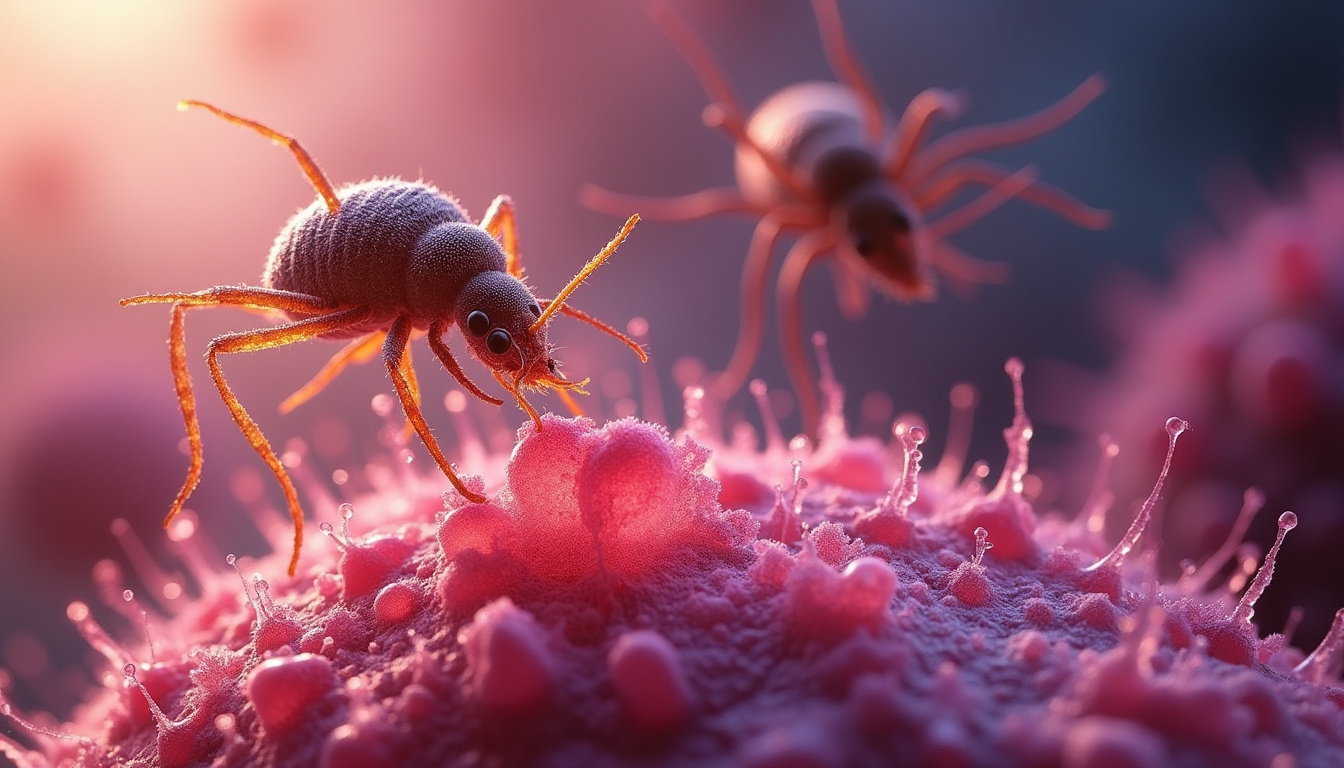
- Watch plants.
- Check that pest levels are high.
- Pick the abamectin mix that fits your crop and pest.
- Spray well; wear gear and watch the time to keep bees safe.
- Switch to other sprays sometimes to cut resistance.
- Watch again to check if the spray worked.
This way, abamectin stays a strong, focused tool.
It also helps keep good bugs and the earth safe.
Common formulations and compatibility
Abamectin is sold as sprays, concentrates, or mixes with other actives.
Some mixes go on leaves; some go in the soil or with seeds.
Before you mix abamectin with another spray, check if they mix well.
Mixing may widen the stopping power but may hurt good bugs.
Mix only if the labels say it is safe.
Recording and compliance
Write down each spray with the date, rate, pest, weather, any mix partners, and what you see after.
Good records help you adjust your plan and meet local rules.
Bulleted checklist: Safe and effective abamectin use
• Check and ID the pest before you spray.
• Use abamectin only when pest numbers are high.
• Follow the label for dose, time, gear, safe waiting, and harvest times.
• Spray when bees are not out (early or late).
• Do not spray near water; keep safe gaps.
• Switch to different sprays to cut resistance.
• Keep good records of each spray.
FAQ — quick answers to common abamectin questions
Q: What is abamectin used for in gardens and crops?
A: Abamectin stops mites, leafminers, thrips, and some other pests on many plants.
It gives fast pest knockdown and some lasting control.
It is a key part of an IPM plan.
Q: How should I spray abamectin safe and well?
A: Read the label and spray so the kill touches where pests feed (like under leaves).
Wear proper gear.
Do not spray when plants bloom.
Stay away from water.
Spray in the early or late day to keep bees safe.
Q: Is abamectin safe for good bugs and the earth?
A: Abamectin can hurt good bugs and water life.
Use it only when needed.
Do not spray large areas.
Keep safe gaps from water.
Spray when bees do not come out.
Final thoughts: abamectin as part of a sustainable plan
Abamectin brings strong pest control when steps are followed.
It is not one mix that stops all pests.
Its long power depends on smart plant checks, reading labels, cutting resistance, and earth care.
Mix abamectin with good crop care and natural helpers.
This helps keep plants and crops healthy and saves good bugs while cutting harm.
For more steps and safety rules, check the EPA page on abamectin (EPA: https://www.epa.gov/ingredients-used-pesticide-products/abamectin) and local guides.